The African Diaspora of Setúbal
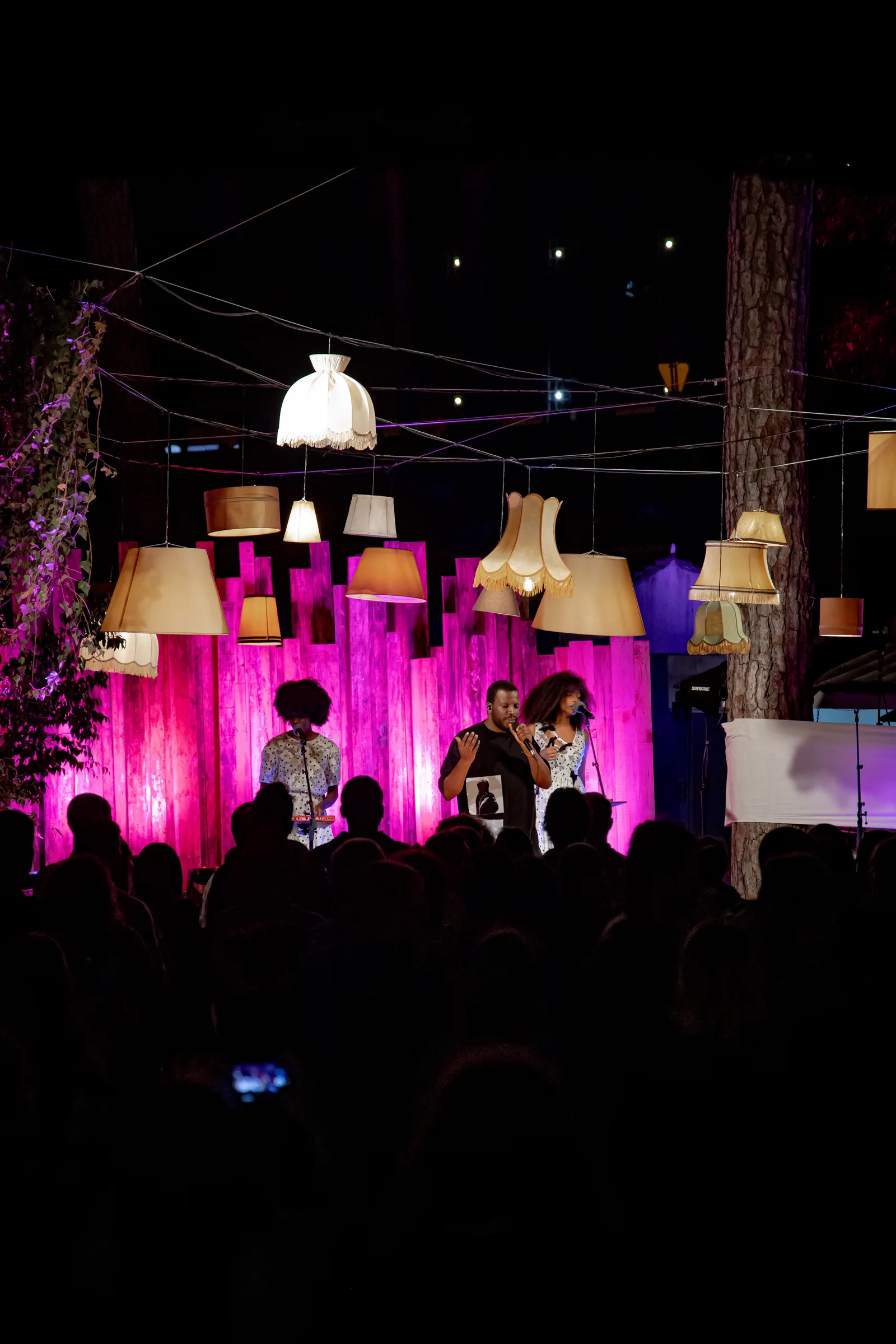
📷 Image credit
Photo: Watchfan04 / Wikimedia Commons / CC BY-SA 4.0
The African diaspora of the Setúbal District comprises communities from Cape Verde, Angola, Guinea-Bissau, Mozambique and São Tomé and Príncipe. Their presence dates back to the 16th century, when people of African origin made up as much as 9% of the population of coastal villages, while the modern communities formed after decolonisation in 1974–1975.
Historical presence
“The Blacks of the Sado” (15th–20th centuries)
A community of African origin known as the “Pretos do Sado” (Blacks of the Sado) existed for centuries in the Sado River valley. Their presence was documented by the ethnographer José Leite de Vasconcelos in the late 19th century. The historian Isabel Castro Henriques devoted a monograph, Os Pretos do Sado (2020), to this community, tracing the history of the descendants of African slaves brought to work on rice plantations from the 18th century onwards.
Age of Discoveries (16th–18th centuries)
According to 16th-century parish baptismal records, between 6% and 9% of those baptised in villages near Setúbal were people of African origin. Their cultural legacy can be traced in local folklore and toponymy.
The Cape Verdean community
Migration
Cape Verdeans are one of Portugal’s largest African communities. Migration began in the 1960s, when people left the islands fleeing drought and famine. After Cape Verde gained independence in 1975, the flow intensified. Today approximately 150,000 Cape Verdeans live in Portugal – the second-largest diaspora worldwide. Most migrants came from the island of Santiago.
Music
Cape Verdean music is an integral part of the district’s cultural landscape:
- Morna – a lyrical, melancholic genre born on the island of Boa Vista. A symbol of Cape Verdean identity, it has been a UNESCO Intangible Heritage since 2019
- Funaná – energetic accordion-driven music from Santiago. Banned as “African” and “primitive” under colonial rule, it experienced a revival after independence
- Batuku – a ritual form of female singing and dancing from Santiago, one of the archipelago’s oldest musical traditions
Among artists of Cape Verdean origin linked to the region, Dino D’Santiago (b. 1982) stands out – a composer and singer who won the Portuguese Music Awards in 2019. His music blends Cape Verdean rhythms with fado, soul and electronic sounds.
Cuisine
- Cachupa – the national dish: a stew of maize, beans, meat and vegetables. A symbol of family and community
- Búzio – shellfish dishes
- Cape Verdean restaurants operate in Setúbal and other cities in the district
Language
Cape Verdean Creole (Kriolu) is widely spoken at home. The municipal SEI service provides assistance in Creole.
The Angolan community
Migration
Angolan immigration to Portugal intensified in the late 1980s against the backdrop of the Angolan Civil War. The most intensive period was the 1990s. About 70% of Angolan migrants are men. The community is concentrated in the Lisbon Metropolitan Area, including the Setúbal District.
Music
The Angolan community has enriched the region’s cultural life with musical genres:
- Kuduro – an electronic genre born in Luanda in the late 1980s. Immensely popular in the suburbs of the metropolitan area
- Kizomba – a dance-music genre born in Angola in the late 1970s. Kizomba schools and dance nights are found throughout the metropolitan area
- Semba – an Angolan musical tradition, the precursor to Brazilian samba
Other communities
Guineans
In 2023, 32,535 citizens of Guinea-Bissau lived in Portugal (3.1% of the foreign population). The Guinean community is present in the Setúbal District, though on a smaller scale than the Cape Verdean and Angolan communities.
Mozambicans and São Toméans
Communities from Mozambique and São Tomé and Príncipe are less prominent in the district but contribute to the region’s multicultural diversity.
Festivals and events
Festival Sabura
A multicultural festival in Sesimbra (Sesimbra Natura Park), held annually in late August–early September. The word sabura means “moment of joy” in Cape Verdean Creole. Programme: 5 stages, over 80 artists – from funaná and kuduro to reggae and hip-hop. Beyond music: gastronomy, workshops, capoeira, yoga and a children’s area.
Maio – Diálogo Intercultural
An annual municipal programme (May–June) featuring concerts, exhibitions and the “Mundos ao Largo” parade on Largo da Ribeira Velha: over 80 participants in national costumes.
Community organisations
Cultural organisations of the African diaspora operate in Setúbal:
- Associação Caboverdiana de Setúbal – the Cape Verdean association
- Centro Cultural Africano – the African Cultural Centre
- “Os Africanos” association – located in the Bela Vista neighbourhood; received new premises in the 2020s as part of the neighbourhood rehabilitation programme
The associations hold cultural events, language courses and support the integration of new migrants.
Challenges and achievements
Challenges
- Housing: concentration in socially vulnerable neighbourhoods (Bela Vista)
- Employment: predominance in low-paid sectors
- Education: need for support for second- and third-generation migrant children
- Stereotypes: combating prejudice and discrimination
Achievements
- Musical influence: kuduro, kizomba and funaná have become an integral part of Portuguese musical culture
- “Nosso Bairro, Nossa Cidade” programme: a successful model of rehabilitation and social integration in Bela Vista, internationally recognised
- Festival Sabura: a growing multicultural festival of international standing
- Second-generation contributions: artists, athletes and entrepreneurs of African origin are becoming prominent figures in Portuguese society
See also
All our knowledge is free. Creating it is not.
☕ Support on Ko-fi