Moscatel Festival (Festival do Moscatel)
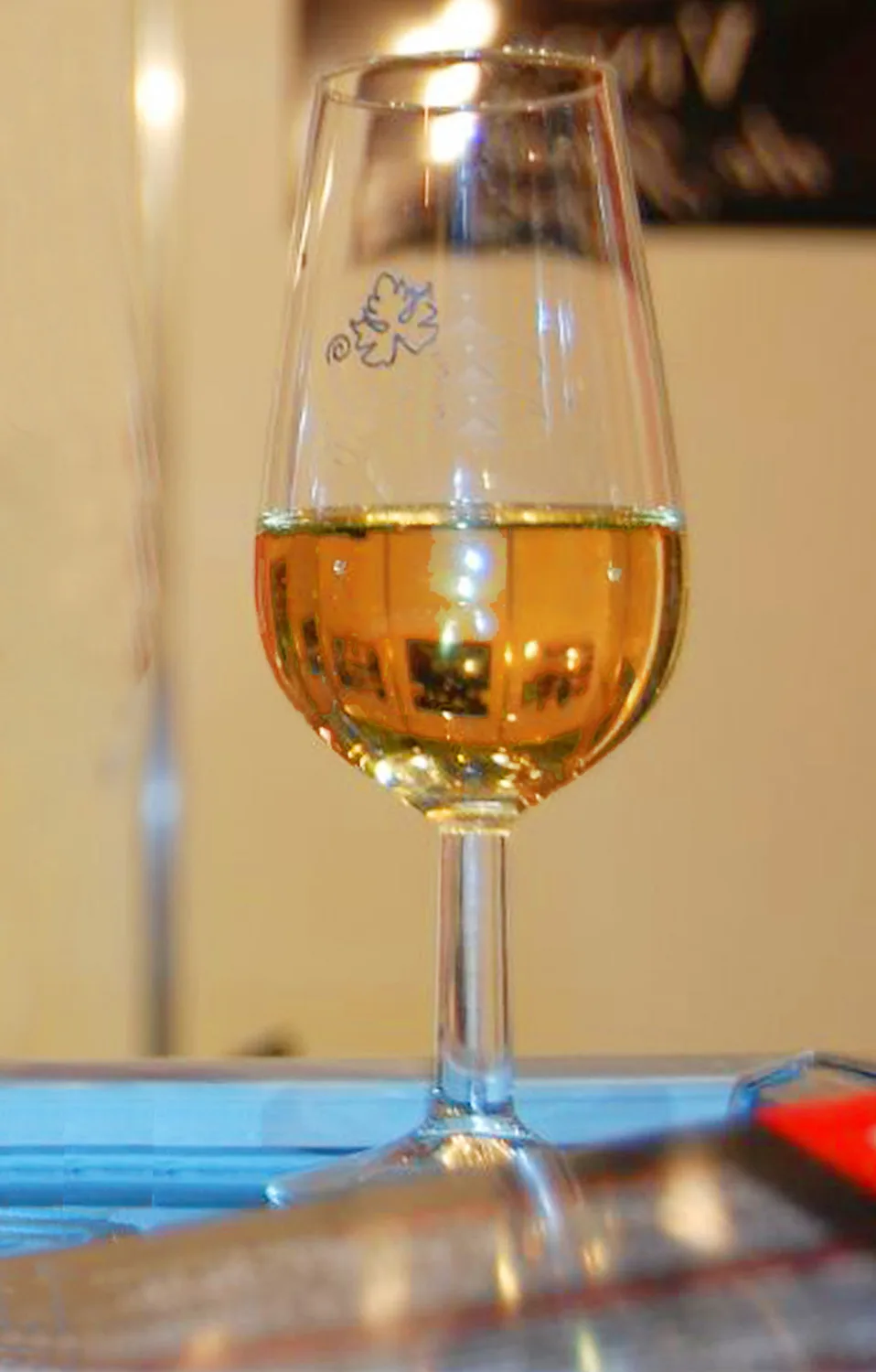 Photo: MG Spain Export, CC BY-SA 2.0. Wikimedia Commons.
On November days, when the grape harvest has long been gathered and the young wine rests in oak barrels, the square before the São João Baptista chapel in Palmela fills with the aromas of Moscatel – the fortified wine that has served as the calling card of the Setúbal Peninsula for several centuries.
About the Festival
The Moscatel Festival (Festival do Moscatel) is an annual event held in Palmela and dedicated to one of Portugal’s most famous wines – Moscatel de Setúbal. The festival takes place at Largo e Capela de São João Baptista – a picturesque square in the historic centre of Palmela, at the foot of the medieval castle.
In 2025, the festival’s 6th edition was held from November 21 to 23, confirming its status as one of the key wine events in the region. The organiser is the Palmela Municipal Council (Câmara Municipal de Palmela).
Festival Programme
Moscatel Market (Mercado do Moscatel)
The heart of the festival is the Moscatel Market – a wine exhibition and sale featuring leading producers from the region. Here you can taste and purchase Moscatel from different wineries, comparing styles and vintages.
Among regular market participants:
- Adega Camolas – a small family estate with an authentic approach to winemaking
- Casa Ermelinda Freitas – one of the largest and most renowned estates on the peninsula, whose wines are exported to dozens of countries
- Quinta do Piloto – a historic quinta with centuries-old Moscatel production traditions
- Other winemakers from the DOC Setúbal and DO Península de Setúbal regions
In addition to Moscatel, the market features regional products created with it or perfectly complementing it: cheeses, honey, sweets, olive oil.
Tasting System
For wine tasting, the festival uses a convenient voucher system: visitors purchase a voucher costing 5 euros, which includes:
- An official festival glass (glass, with the event logo – a collectible souvenir)
- Three tastings – one sample at each of three different producers, marked with special signage
This system allows visitors to explore the diversity of Moscatel styles at a moderate cost. Additional tastings can be purchased as desired.
Guided Tastings (Provas Comentadas)
For connoisseurs and those who wish to delve deeper into the world of Moscatel, guided tastings are conducted by oenologists and sommeliers. These sessions take place at the Palmela Municipal Library Auditorium and offer the opportunity to:
- Learn about the terroir of the Setúbal Peninsula
- Understand the differences between young and aged Moscatel
- Learn to evaluate the colour, aroma, and taste of fortified wine
- Receive recommendations on pairing Moscatel with food
Showcookings
In the Outdoor Lounge Space (Espaço Exterior Lounge), culinary masterclasses are held during which chefs prepare dishes using Moscatel or perfectly suited to accompany it. These may include:
- Moscatel-based desserts (puddings, cakes, mousses)
- Main courses with Moscatel sauces
- Traditional regional recipes
- Creative interpretations of classic pairings
The showcookings are prepared with the participation of the Setúbal School of Hospitality and Tourism (Escola de Hotelaria e Turismo de Setúbal), ensuring a high professional standard.
Moscatel Cocktails
One festival direction is popularising Moscatel among younger audiences through cocktails based on it. Students from the School of Hospitality and Tourism create signature cocktails using Moscatel as the base ingredient. This broadens the perception of fortified wine beyond traditional consumption in its pure form.
Restaurant Gastronomic Programme
Palmela’s restaurants join the festival by offering special menus dedicated to Moscatel: lunches and dinners where each dish is created with harmonious pairing with this wine in mind. There is also a street food zone, allowing visitors to grab a bite without leaving the festival grounds.
Children’s Programme
In the Children’s Room of the Municipal Library, workshops and entertainment are organised for young visitors, making the festival a family event.
Moscatel de Setúbal
What is Moscatel de Setúbal
Moscatel de Setúbal is a fortified wine with a controlled designation of origin (DOC), produced on the Setúbal Peninsula. The main grape variety is Moscatel de Setúbal (also known as Muscat of Alexandria, Muscat à Petits Grains). The wine is produced by the mutage method – interrupting fermentation by adding grape spirit, which preserves the natural sweetness and aroma of the grape.
The colour of Moscatel ranges from pale gold (young wine) to deep amber and dark brown (aged 20–30 years and more). The flavour profile includes notes of honey, candied fruit, orange zest, spices, and caramel.
Historical Significance
Moscatel production on the Setúbal Peninsula has been documented since the 14th century. The wine was exported to England, France, the Netherlands, and other European countries, becoming one of the symbols of Portuguese winemaking. The uniqueness of the peninsula’s terroir – mild climate, protection by the Arrábida mountain range, limestone and clay soils – creates conditions that cannot be replicated elsewhere.
Modern Production
Today, dozens of wineries operate in the region, from large estates to small family quintas. The DOC Setúbal region specialises specifically in Moscatel, although dry wines are also produced under the DO Península de Setúbal label.
Palmela as the Wine Capital of the Region
Geographic Context
Palmela is located in the very heart of the Setúbal Peninsula’s winemaking region, on an elevation offering views of vineyards stretching to the Arrábida range in the south and the Tagus estuary in the north. The municipality of Palmela covers a significant portion of the territory where grapes for Moscatel are grown.
Largo and Chapel of São João Baptista
The choice of festival venue is no coincidence. The Largo (square) and Capela (chapel) of São João Baptista is one of Palmela’s most atmospheric locations, situated in the historic centre. The chapel, dedicated to John the Baptist, creates a symbolic connection between winemaking and spiritual tradition – for wine in Christian culture carries deep sacred meaning.
The exact construction date of the São João Baptista chapel requires clarification, though it forms part of the historic ensemble of Palmela, which took shape over several centuries.
Types of Moscatel: What to Try
Classification by Ageing
At the festival, you can find Moscatel of various ages, and each category offers a unique tasting experience:
- Young Moscatel (up to 5 years) – light gold, with bright fruity notes (peach, apricot, grape), floral undertones (rose, jasmine). Fresh and accessible, ideal as an aperitif or with light desserts
- Medium-aged Moscatel (5–10 years) – rich amber colour, more complex bouquet with notes of honey, dried fruit, orange zest, and light caramel. Pairs beautifully with aged cheeses and nuts
- Old Moscatel (10–20 years) – dark amber, dense, with an intense flavour of candied fruit, coffee, chocolate, and spices. A wine for meditation and contemplation
- Moscatel Superior and Reserva (20+ years) – deep brown colour, exceptional complexity and lingering finish. A collectible wine
Moscatel Roxo
In addition to classic Moscatel from the white Muscat of Alexandria grape, the festival offers the chance to taste the rare Moscatel Roxo – from the red Moscatel Roxo variety (Muscat à Petits Grains Rosé). This Moscatel is distinguished by a pinkish hue and a more piquant flavour profile. Production is limited, and the festival is one of the best opportunities to taste it.
Food Pairings
Guided tastings at the festival pay special attention to pairing Moscatel with food. Classic pairings include:
| Wine | Pairing |
|---|---|
| Young Moscatel | Fruits, light desserts, ice cream |
| 10-year Moscatel | Queijo de Azeitão, dried fruits, nuts |
| 20+ year Moscatel | Chocolate, foie gras, blue cheeses |
| Moscatel Roxo | Berry desserts, almond sweets |
One recent discovery is the use of Moscatel in cocktails and in cooking (duck sauces, marinades, dessert creams), which broadens the audience for this traditional wine.
Operating Hours
The festival operates on the following schedule (2025 data):
| Day | Hours |
|---|---|
| Friday, November 21 | 6:00 PM – 10:00 PM |
| Saturday, November 22 | 11:00 AM – 10:00 PM |
| Sunday, November 23 | 11:00 AM – 8:00 PM |
Festival admission is free. Only the tasting vouchers (5 euros for 3 tastings with a glass) and food/drinks are charged.
Practical Information
- Dates: Third week of November (in 2025 – November 21–23)
- Location: Largo e Capela de São João Baptista, Palmela
- Admission: Free
- Tasting: 5 euros (3 tastings + official glass)
- Getting there: Palmela is 12 km north of Setúbal; accessible by TST bus or by car (parking in the centre)
- Recommendations: Come on Saturday for the widest choice of events; participate in guided tastings in advance (seats are limited); do not skip the showcookings – they reveal new ways of pairing Moscatel with food
- Contact: turismo@cm-palmela.pt, tel. 212 332 122
Notes
[UNVERIFIED] The first edition of the festival presumably took place in 2019 or 2020, though the exact launch year and circumstances require additional verification. The sixth edition in 2025 points to a start around 2019–2020, with a possible break during the COVID-19 pandemic.
See Also
- Moscatel de Setúbal – Amber Gold of the Peninsula
- Wines of the Palmela and Setúbal Region
- Grape Harvest Festival in Palmela
- Castle of Palmela
All our knowledge is free. Creating it is not.
☕ Support on Ko-fi