Intercultural Gastronomy
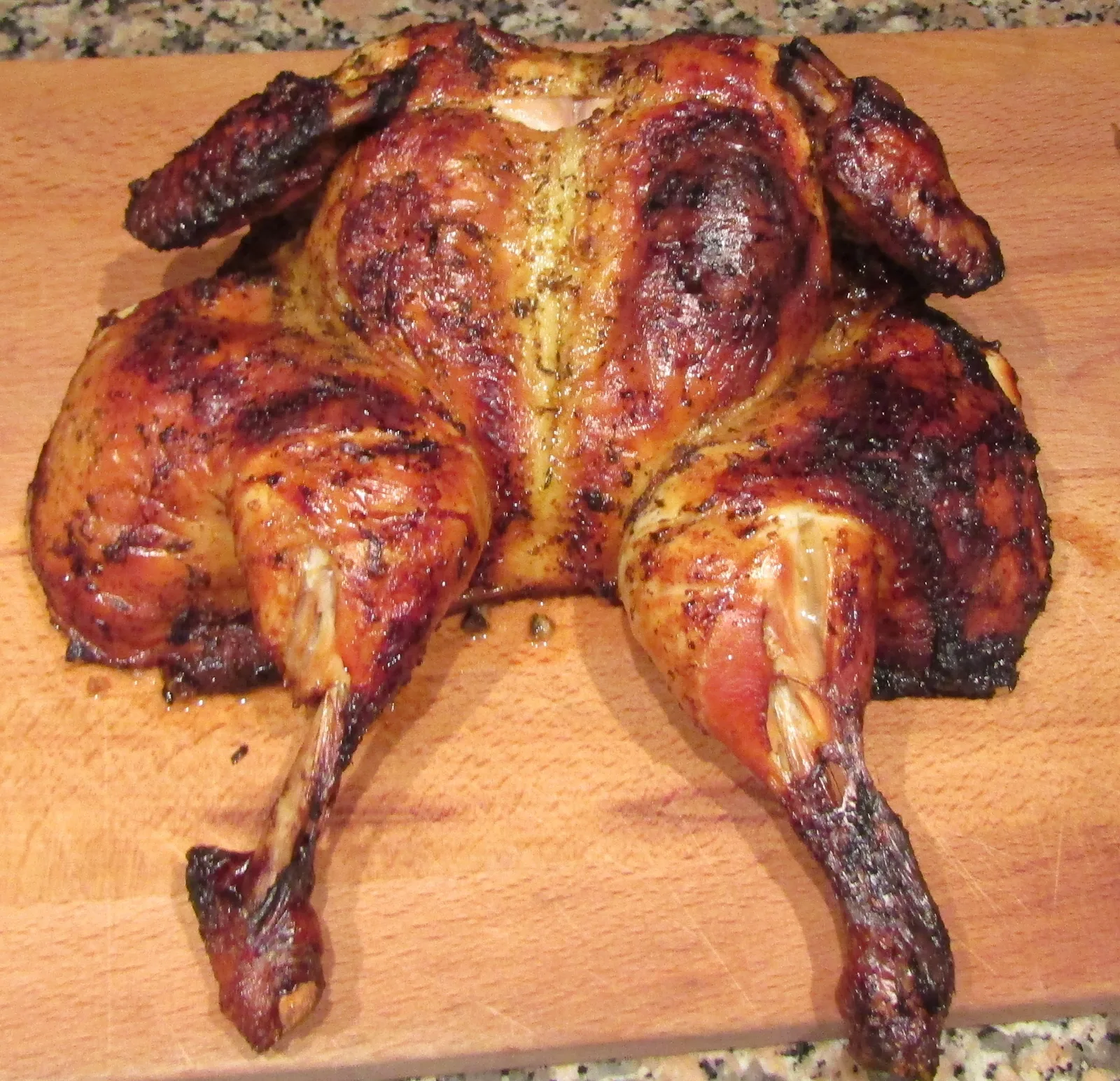
📷 Image credit
Photo: Kolforn (WikiPhotoSpace) / Wikimedia Commons / CC BY-SA 4.0
The municipality of Setúbal is home to 87 nationalities. The retornados brought piri-piri from Mozambique, Cape Verdeans brought cachupa, Brazilians brought pão de queijo. The municipality organises “Gastronomia Sobre Rodas” — a world-cuisine street-food festival. Migration has not merely enriched the table — it has become part of the city’s taste.
African heritage
Piri-piri: from the colonies to a national dish
Piri-piri is a product of the retornados. After decolonisation (1974–1975), hundreds of thousands of Portuguese returned from Angola and Mozambique, bringing bird’s eye chillies and the recipe for piri-piri chicken. The dish blended Portuguese and African elements: garlic, vinegar and lemon with malagueta pepper. Today piri-piri is one of Portugal’s most recognisable dishes.
In Setúbal, where a significant number of retornados settled, piri-piri became part of the restaurant landscape. See The Retornados.
Cape Verdean cuisine
The Cape Verdean community is Setúbal’s largest African diaspora. Its culinary influence:
- Cachupa — a stew of maize and beans with meat or fish, the signature dish of Cape Verde
- Pastéis de milho — cornmeal pastries with fish
- Home cooking in the Bela Vista and Castilho neighbourhoods
See The African Diaspora.
Guinea-Bissau
Cafriela de frango — chicken steamed then grilled with garlic and pepper. A Creole dish from Guinea-Bissau, found at the tables of the city’s Guinean community.
Brazilian influence
The Brazilian community is the city’s largest foreign group. Its gastronomic footprint:
- Pão de queijo — cheese bread
- Coxinha — deep-fried chicken croquettes
- Açaí bowls — now popular in the city’s cafés
- Brazilian grills (churrascarias) and snack bars (lanchonetes)
Asian cuisine
The presence of Asian cuisine in Setúbal is limited compared with Lisbon:
- Restaurante Chinês China Town — Chinese restaurant, Praça Brasil 11, Setúbal
- SushiCome — sushi restaurant
- A handful of Indian and Nepalese establishments
Gastronomic events
Gastronomia Sobre Rodas
“Gastronomy on Wheels” — a world-cuisine street-food festival organised by the municipality. Food trucks with dishes from different countries against the backdrop of the Setúbal waterfront. The format brings together locals and migrant communities.
Festival do Bairro
The municipal project “Festival do Bairro — Cinema na Rua” includes a gastronomic component: neighbourhood residents cook dishes from their countries of origin for their neighbours.
Institutional context
Since 2004 the municipality of Setúbal has promoted intercultural integration through GIME (Gabinete do Imigrante e Minorias Étnicas), renamed SEI (Setúbal, Etnias e Imigração). According to the Council of Europe, 87 nationalities are present in the municipality — the foreign population accounts for 5% of residents.
Setúbal is a member of the Council of Europe’s Intercultural Cities programme, which promotes diversity as a resource for development.
See also
The light is on for free. But someone has to clean the lantern.
☕ Support on Ko-fi