Regional Wines of Setubal
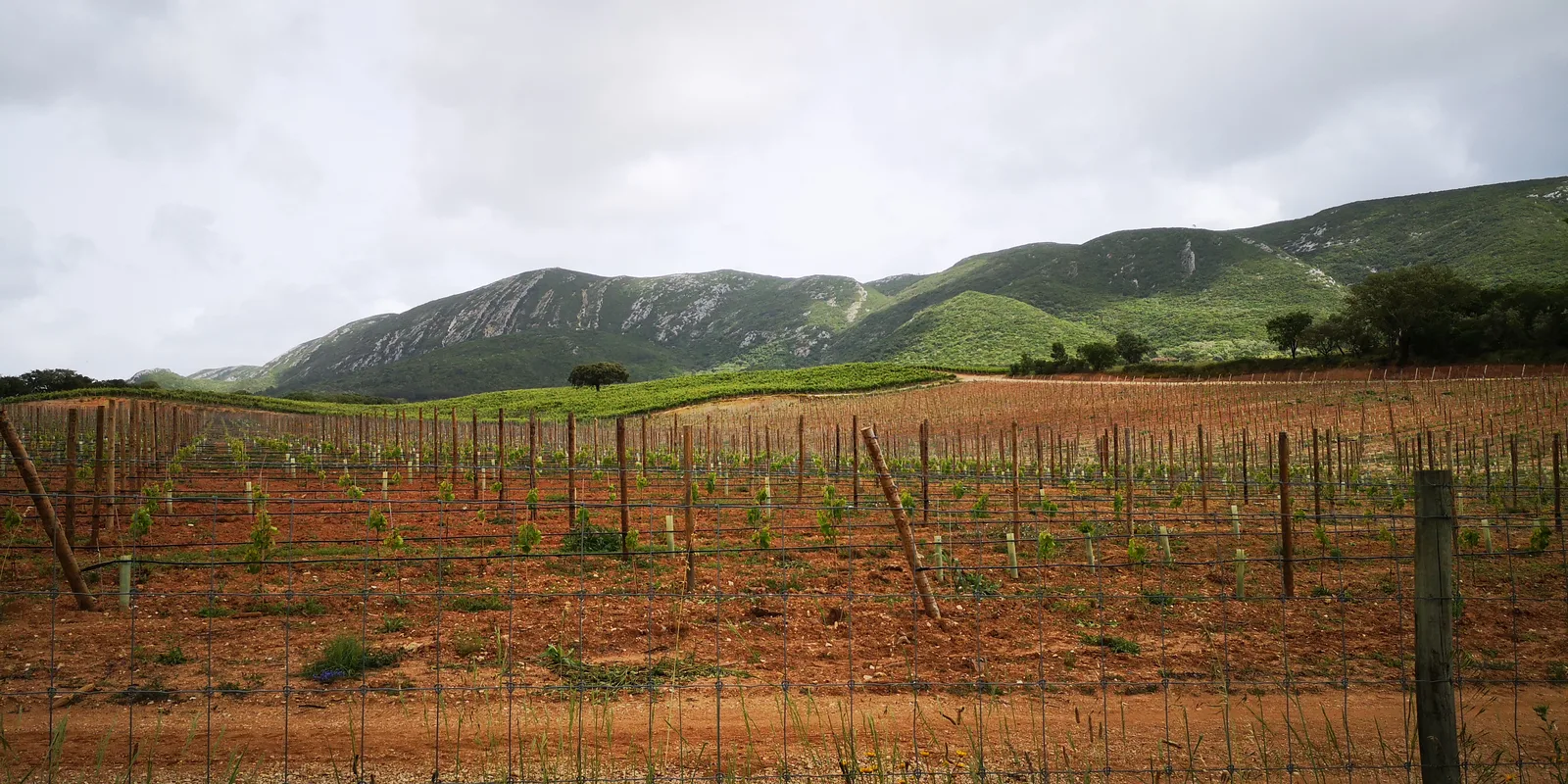
The Setubal Peninsula is one of the oldest winemaking regions in Portugal, celebrated far beyond the fame of its renowned Moscatel. On sandy and limestone soils between the Tagus and the Sado, red, white, and rose wines are produced under three appellations – DOC Setubal, DOC Palmela, and Peninsula de Setubal IGP – shaped by a distinctive terroir, a Mediterranean climate, and indigenous grape varieties.
History
Medieval Origins
Winemaking on the Setubal Peninsula has roots stretching back to the Reconquista. In the twelfth century, following the liberation of strategic strongholds – Almada and Palmela – and the establishment of the Order of Santiago, settlement of the region began and viticulture was revived. During the Late Middle Ages (twelfth to fifteenth centuries), wine became one of the principal export commodities of the Setubal Peninsula.
Its geographical position – proximity to Lisbon and access to the sea – provided convenient logistics for exporting wine to Northern Europe, above all to England and Flanders.
Jose Maria da Fonseca and the Birth of “Periquita”
A turning point in the region’s winemaking history came with the work of Jose Maria da Fonseca (1804–1884). Born in Vilar Seco, municipality of Nelas, in the Viseu district, he established his viticultural estate in Azeitao in 1834 and transformed it into one of the largest wine-producing enterprises in Portugal.
In 1850, Fonseca created a wine called Periquita, named after the vineyard – Cova da Periquita. It was a red wine made from the Castelao grape, and its chief innovation lay in the fact that the wine was bottled rather than sold in bulk from barrels, as was the custom of the day. Periquita became the oldest bottled brand of Portuguese table wine.
International recognition came swiftly: the 1885 vintage was awarded gold medals:
- Gold medal at the Exhibition of Portuguese Wines in Berlin
- Gold medal at the Universal Exhibition in Barcelona (1888)
- 1941 – the “Periquita” trademark was officially registered
The firm Jose Maria da Fonseca remains in the hands of the founder’s descendants to this day and is the benchmark producer of the region.
Creation of the DOC Appellations
- 1907 – the DOC Setubal appellation was established, reserved exclusively for Moscatel wines
- 1990 – the DOC Palmela appellation was established for table wines based on the Castelao grape
- Later, the regional appellation Peninsula de Setubal IGP (formerly Terras do Sado) was created, covering a broader range of wines
Description
Geographical Zones and Terroir
The winemaking region of the Setubal Peninsula encompasses the territory between the rivers Tagus and Sado and is divided into several zones:
| Zone | Characteristics |
|---|---|
| Palmela | Sandy and clay-limestone soils; warm climate; the principal zone of DOC Palmela |
| Azeitao / Arrabida | Limestone soils at the foot of the Serra da Arrabida; cooler microclimate; high-quality reds |
| Eastern sector | Alluvial soils along the Sado; used predominantly for IGP wines |
| Northern sector | Sandy soils; the zone closest to Lisbon |
Climate: Mediterranean with Atlantic influence. Hot, dry summers and mild winters. The proximity of the Atlantic and the Sado estuary tempers extreme temperatures and provides essential humidity.
Soils: loose sandy soils predominate, and it is in these that the Castelao grape achieves its finest results – yielding wines of notable depth and complexity.
Wine Classification
The region’s wines are produced under three appellations:
DOC Setubal – fortified Moscatel wines:
- Described in detail in the article Moscatel de Setubal
- Account for slightly more than 10% of total regional production
- Made from Muscat of Alexandria (Moscatel de Setubal) or Moscatel Roxo
DOC Palmela – table wines:
- Principal grape: Castelao (minimum 67% of the blend, as required by law)
- Predominantly red wines: balanced, with ripe tannins and cherry notes
- White and rose wines are also produced
Peninsula de Setubal IGP (formerly Terras do Sado):
- More flexible regulations: both international and indigenous varieties are permitted
- A broad spectrum of styles, from light and fruity to oak-aged
- A zone for experimentation and innovation
Key Grape Varieties
Red
| Variety | Characteristics |
|---|---|
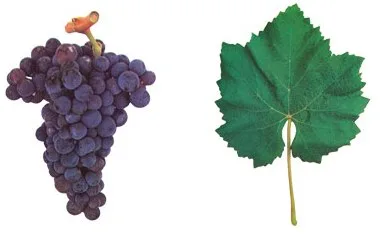
| Castelao (Castelao / Periquita) | The flagship grape of the region. Produces medium-bodied wines with notes of cherry, spice, and leather. Best results on the loose sandy soils of Palmela |
| Trincadeira | An indigenous variety; used in blends, contributing structure and dark fruit notes |
| Aragonez (Aragonez / Tempranillo) | Introduced from Spain; popular in blends |
| Touriga Nacional | A premium indigenous variety; used for top-tier wines |
| Syrah | An international variety; well adapted to the local climate |
White
| Variety | Characteristics |
|---|---|
| Fernao Pires (Fernao Pires / Maria Gomes) | The most widely planted white grape in Portugal; produces aromatic, fresh wines |
| Arinto | Provides high acidity and minerality |
| Moscatel de Setubal (Muscat of Alexandria) | Used for both fortified and dry white wines |
| Chardonnay | An international variety; employed by some estates for premium whites |
Spotlight: Castelao (Periquita)
Castelao merits special attention as the calling card of the region. The name “Periquita” (Portuguese for “parakeet”) derives from Jose Maria da Fonseca’s vineyard and has become so synonymous with the grape that, on the Setubal Peninsula, the variety itself is often referred to as Periquita.
Castelao is a demanding grape that requires specific conditions:
- It performs best on the warm sandy soils of Palmela
- In cooler climates, it can produce excessively acidic wines
- When handled properly, it yields wines with a complex profile: cherry, plum, spice, leather, and hints of tobacco with ageing
Cultural Significance
Wine and Regional Identity
Winemaking is one of the three historic pillars of the Setubal Peninsula’s economy, alongside fishing and salt production. Where fishing defined the life of the coast, winemaking shaped the way of life in the interior – Palmela, Azeitao, and the slopes of the Arrabida.
Food Pairings
The region’s wines pair naturally with the local cuisine:
- Red DOC Palmela – the ideal companion for choco frito, meat dishes, and mature Queijo de Azeitao
- White wines – with seafood cuisine: caldeirada, fresh shellfish, grilled sardines
- Moscatel – with Torta de Azeitao and other desserts
- Rose wines – with light summer dishes and antipasti
Wine Tourism
The Setubal Peninsula is one of the most accessible winemaking regions in Portugal for visits: less than an hour from Lisbon, with dozens of estates offering tastings and the scenic landscapes of the Arrabida. Wine tourism has become an important component of the regional economy.
Where to Try Them
Key Producers
- Jose Maria da Fonseca (Azeitao) – the oldest estate in the region (1834). Museum, tasting room, historic cellars. Flagship wines: Periquita, Alambre Moscatel de Setubal, Domini, Hexagon
- Bacalhoa Vinhos de Portugal – one of the largest and most innovative wine companies in Portugal, present in seven of the country’s winemaking regions with a total vineyard area of 1,200 ha. The Quinta da Bacalhoa is a historic estate with a notable azulejo collection
- Quinta de Alcube – a historic estate producing DOC Palmela wines
- Adega de Palmela (Palmela Cooperative) – a major cooperative producer
Recommendations
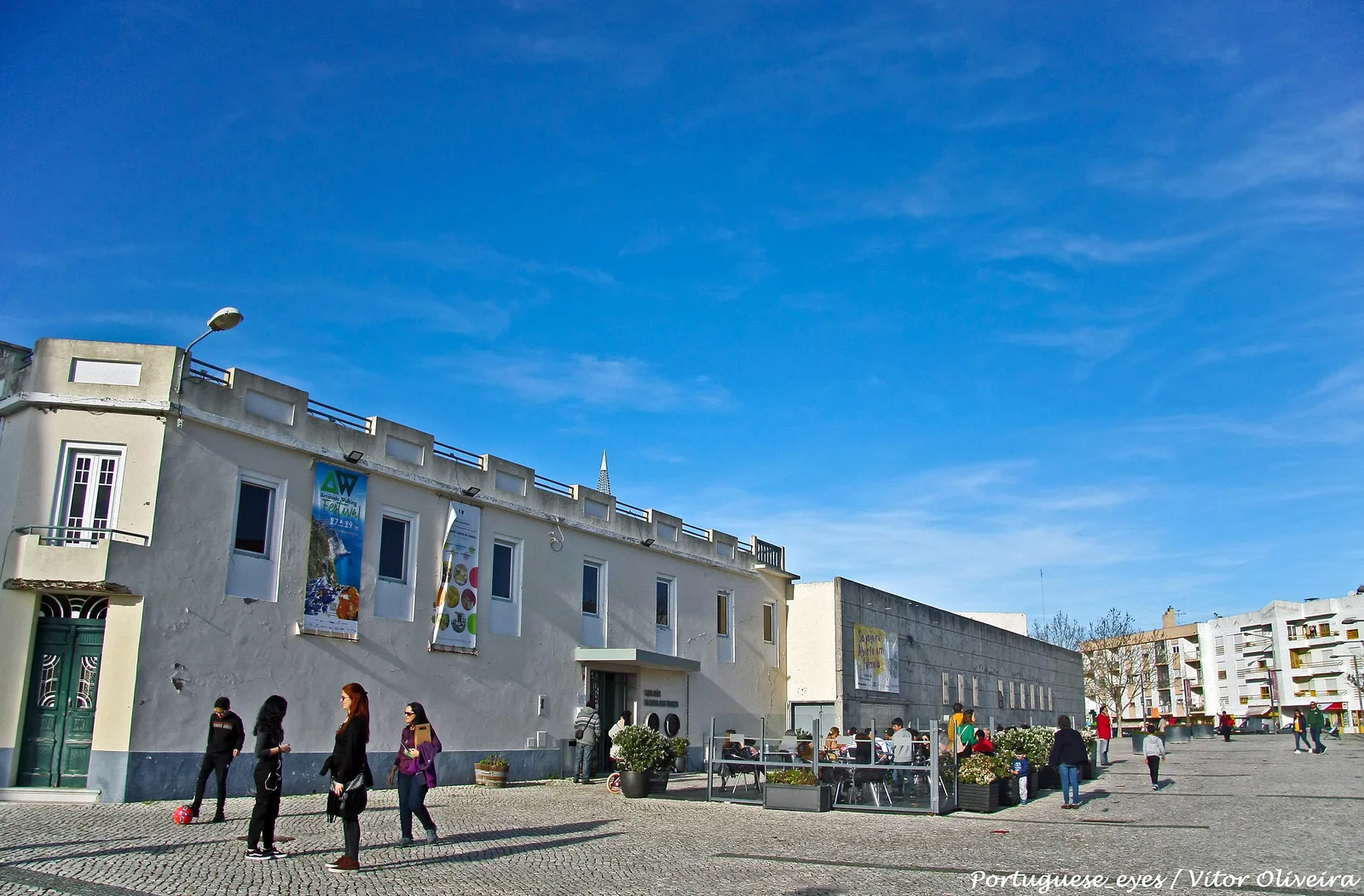
- Rota de Vinhos route – an organised wine route through the estates of the peninsula
- The Sunday market in Azeitao – local wines alongside cheese and tortas
- Restaurants in Palmela – red DOC Palmela wines with meat and cheese dishes in a medieval town overlooking the vineyards
Interesting Facts
-
The name “Periquita” became so popular that many Portuguese still do not know that the official name of the grape is Castelao. It is a rare instance of a commercial wine name displacing the ampelographic term in everyday speech.
-
DOC Setubal, established in 1907, is one of the oldest wine appellations in Portugal. For comparison, many French AOCs were created later, in the 1930s.
-
The 1885 vintage of Periquita, which won gold medals at the Exhibition of Portuguese Wines in Berlin and at the Universal Exhibition of Barcelona (1888), is considered one of the first instances of international recognition for a Portuguese table (non-Port) wine.
-
Moscatel accounts for slightly more than 10% of the region’s total wine production, yet it is Moscatel that has earned the Setubal Peninsula its international reputation – the remaining 90% of output remains relatively unknown outside Portugal.
-
The terroir of Palmela is distinctive: its loose sandy soils not only suit Castelao perfectly but also historically shielded the vineyards from phylloxera – the epidemic that devastated vineyards across most of Europe in the late nineteenth century (sandy soils are an unfavourable environment for the pest). [UNVERIFIED] Some vines in the region may be ungrafted, which is a rarity in European viticulture.
Image sources
- arrabida-vineyards.webp — Vineyards of the Arrabida region. Author: Wikimedia Commons. License: CC BY-SA 4.0. Source
- castelao-grape.webp — Castelao grape variety. Author: Wikimedia Commons. License: CC BY-SA 4.0. Source
- casa-mae-rota-vinhos.webp — Casa Mae da Rota de Vinhos — wine route centre. Author: Wikimedia Commons. License: CC BY-SA 4.0. Source
See also
If this article was useful — help us write the next one.
☕ Support on Ko-fi