Vineyards and Terroir of the Setúbal Peninsula
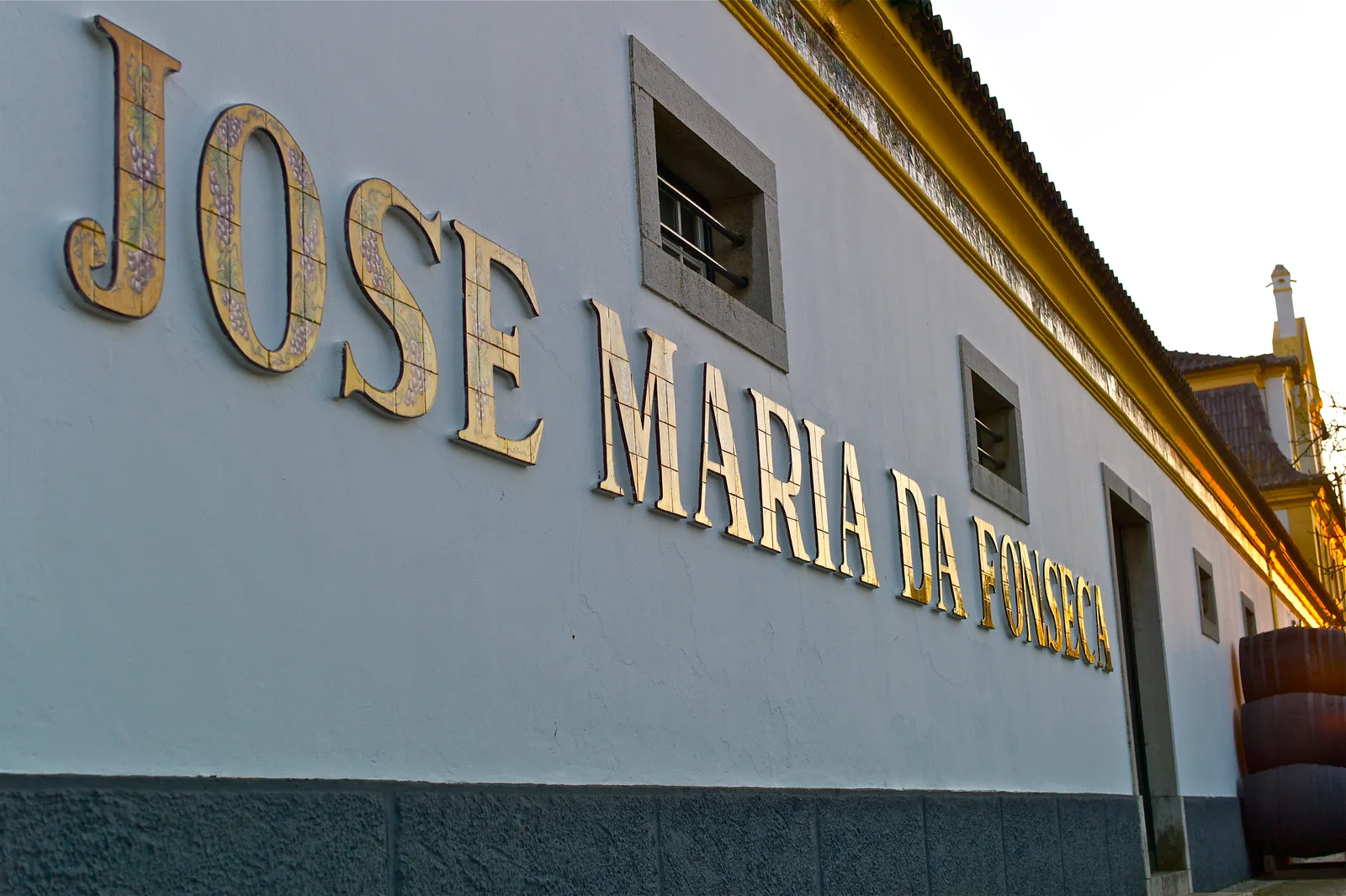
📷 Image credit
Photo: Flickr user / Wikimedia Commons / CC BY 2.0
The Setúbal Peninsula is one of Portugal’s oldest winemaking regions. DOC Setúbal for fortified Moscatel wines was established in 1907, DOC Palmela for table wines in 1990. The region’s flagship grape is Castelão (Periquita): in 1850 it was used to create the first bottled Portuguese table wine.
Terroir
Geographical zones
The winemaking region of the Setúbal Peninsula lies between the rivers Tagus (north) and Sado (south) and is divided into several zones:
| Zone | Soils | Climate | Specialisation |
|---|---|---|---|
| Palmela | Sandy and clay-limestone | Warm | DOC Palmela, Castelão reds |
| Azeitão / Arrábida | Limestone, at the foot of Serra da Arrábida | Cooler | High-quality reds and Moscatel |
| Eastern sector | Alluvial (along the Sado) | Hot | IGP wines |
| Northern sector | Sandy | Moderate | IGP wines |
Climate
Mediterranean with Atlantic influence. Hot dry summers, mild winters. The proximity of the Atlantic and the Sado estuary moderates temperature extremes. Serra da Arrábida creates microclimatic shelter with cooler nights.
Soils and phylloxera
A distinctive feature of the Palmela terroir is its loose sandy soils. Castelão produces its best results on these soils: wines with a complex profile (cherry, plum, spice). Sandy soils also historically protected the vineyards from phylloxera — the epidemic that destroyed vineyards across most of Europe in the late 19th century: sand is an inhospitable medium for the pest insect. [UNVERIFIED] Some vines in the region may be ungrafted — a rarity in European viticulture.
Wine classification
DOC Setúbal
Fortified Moscatel wines. Described in detail in the article Moscatel de Setúbal. They account for just over 10% of the region’s total production. Established in 1907 — one of the oldest wine appellations in Portugal.
DOC Palmela
Table wines, established in 1990. Main grape: Castelão (minimum 67% in the blend by law). Predominantly red wines: balanced, with ripe tannins and cherry tones. Whites and rosés are also produced.
Península de Setúbal IGP
Formerly Terras do Sado. More flexible rules: both international and indigenous varieties are permitted. A wide spectrum of styles — from light, fruity wines to oak-aged. A zone for experimentation and innovation.
Key grape varieties
Red
| Grape | Characteristics |
|---|---|
| Castelão (Periquita) | Regional flagship. Medium intensity, cherry, spice, leather tones. Best on sandy soils |
| Trincadeira | Indigenous; adds structure and dark fruit |
| Aragonez (Tempranillo) | Spanish origin; popular in blends |
| Touriga Nacional | Premium indigenous; for top-tier wines |
| Syrah | International; well adapted to local climate |
White
| Grape | Characteristics |
|---|---|
| Fernão Pires | Most common white in Portugal; aromatic, fresh |
| Arinto | High acidity and minerality |
| Moscatel de Setúbal (Muscat of Alexandria) | For fortified and dry whites |
| Chardonnay | International; for premium whites |
Castelão: the calling card
Castelão is the main grape of the Setúbal Peninsula. Its alternative name — Periquita (“parakeet”) — comes from José Maria da Fonseca’s vineyard Cova da Periquita.
In 1850, Fonseca created the wine “Periquita” — the first Portuguese table wine bottled (previously wine was sold only in bulk from barrels). The 1885 vintage won gold medals at the Berlin wine exhibition and the Barcelona World’s Fair (1888). The trademark was registered in 1941.
The name “Periquita” became so popular that many Portuguese do not know the official name of the grape — Castelão. This is a rare case where a commercial brand has displaced the ampelographic term.
Key producers
José Maria da Fonseca (1834)
The oldest estate in the region and Portugal’s oldest industrial table wine producer. Founded by José Maria da Fonseca in Azeitão. Still in the hands of descendants (the Soares Franco family, sixth generation). Flagships: Periquita, Alambre Moscatel de Setúbal, Domini, Hexagon. Winery with museum and tastings.
Bacalhôa Vinhos de Portugal
One of Portugal’s largest wine companies — present in 7 wine regions with 1,200 hectares of vineyards. Founded in 1922 as João Pires & Filhos, relocated to Setúbal in 1966. Since 2005 — Bacalhôa (shareholder José Berardo). Quinta da Bacalhôa — a historic estate with an azulejo collection.
Other estates
- Casa Ermelinda Freitas (Fernando Pó, Palmela) — family estate with a wide range
- Adega de Palmela — major cooperative producer
- Sivipa — vine-growers’ cooperative
- Horácio Simões — traditional producer in Azeitão
- Venâncio da Costa Lima — historic estate
- Quinta de Alcube — DOC Palmela wines
Wine tourism
Rota de Vinhos da Península de Setúbal
An organised wine route through the peninsula’s estates. The Casa Mãe (headquarters) is in Palmela. Includes tastings, cellar tours and vineyard visits.
Festa das Vindimas de Palmela
An annual grape harvest festival in Palmela (September). A traditional celebration with foot-treading of grapes, tastings and folk ensemble performances. Held in the historic centre near the Castle of Palmela.
Recommendations
- Azeitão Sunday market — local wines paired with cheese and pastries
- Palmela restaurants — DOC Palmela reds with meat and aged cheese
- Wineries with tastings — José Maria da Fonseca, Bacalhôa, Casa Ermelinda Freitas
Food pairings
- DOC Palmela reds — with choco frito, meat dishes, aged Queijo de Azeitão
- White wines — with seafood cuisine: caldeirada, grilled sardines
- Moscatel — with Torta de Azeitão and other desserts
- Rosé — with light summer dishes
See also
- Moscatel de Setúbal
- Wines of the Setúbal Region
- Queijo de Azeitão
- Arrábida Natural Park
- Castle of Palmela
If this article was useful — help us write the next one.
☕ Support on Ko-fi