The Reconquista and the Medieval Period
The period from the mid-12th to the mid-15th century saw the birth of Setubal as a Christian city. The recapture of Palmela Castle from the Moors (1147–1186), the taking of Alcacer do Sal (1217), and the granting of a municipal charter by the Order of Santiago (1249) — these events shaped the city’s destiny for centuries to come.
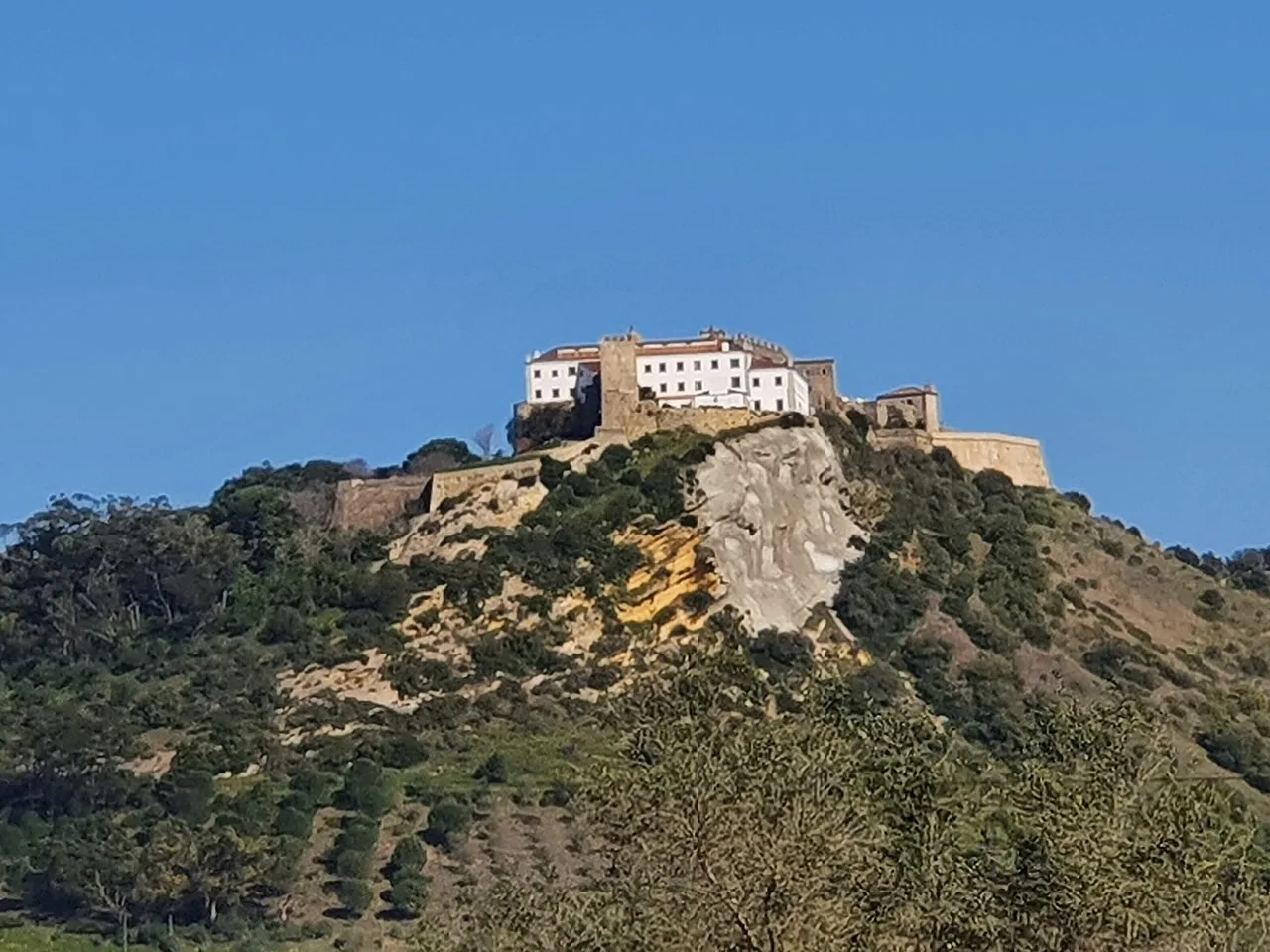
The Reconquista Begins in the Region
Context: The Birth of Portugal
The Portuguese Reconquista — the reconquest of territory from the Moors — unfolded in tandem with the formation of the Portuguese state itself. In 1139, Afonso Henriques proclaimed himself King of Portugal, and in 1143 his title was recognised by Castile. Pope Alexander III confirmed his royal status with the bull Manifestis Probatum in 1179.
1147 — The Turning Point
1147 proved a watershed year for the entire region south of the Tagus. That year saw the reconquest of:
- Santarem — a strategically vital city on the Tagus
- Lisbon — after its famous siege with the aid of Crusaders
- Sintra and Almada — on the approaches to Lisbon
- Palmela — the key Moorish fortress in the Setubal region
Portugal’s first king, Afonso Henriques, seized Palmela Castle in this year of great victories. Yet the triumph would prove short-lived.
The Struggle for Palmela
A Seesaw of War (1147–1186)
After its first capture in 1147, Palmela Castle changed hands repeatedly:
- 1147 — first capture by Afonso Henriques
- 1148–1165 — the Moors recaptured the fortress on multiple occasions; the territory remained contested
- 1165 — a more stable period of Christian control, though Moorish raids continued
- 1186 — King Sancho I definitively secured Christian authority over Palmela
Two decades of alternating conquests and counterattacks can be explained by the fortress’s geographical position: it stood at the very edge of Christian territory, with vast Almohad-controlled lands stretching to the south.
Strategic Importance
Palmela occupied a commanding hilltop between the Tagus and Sado rivers. Control of it meant control over the entire Setubal Peninsula — the sea route into the Sado estuary, the salt works, and the fishing grounds.
The Siege of Alcacer do Sal (1217)
Background
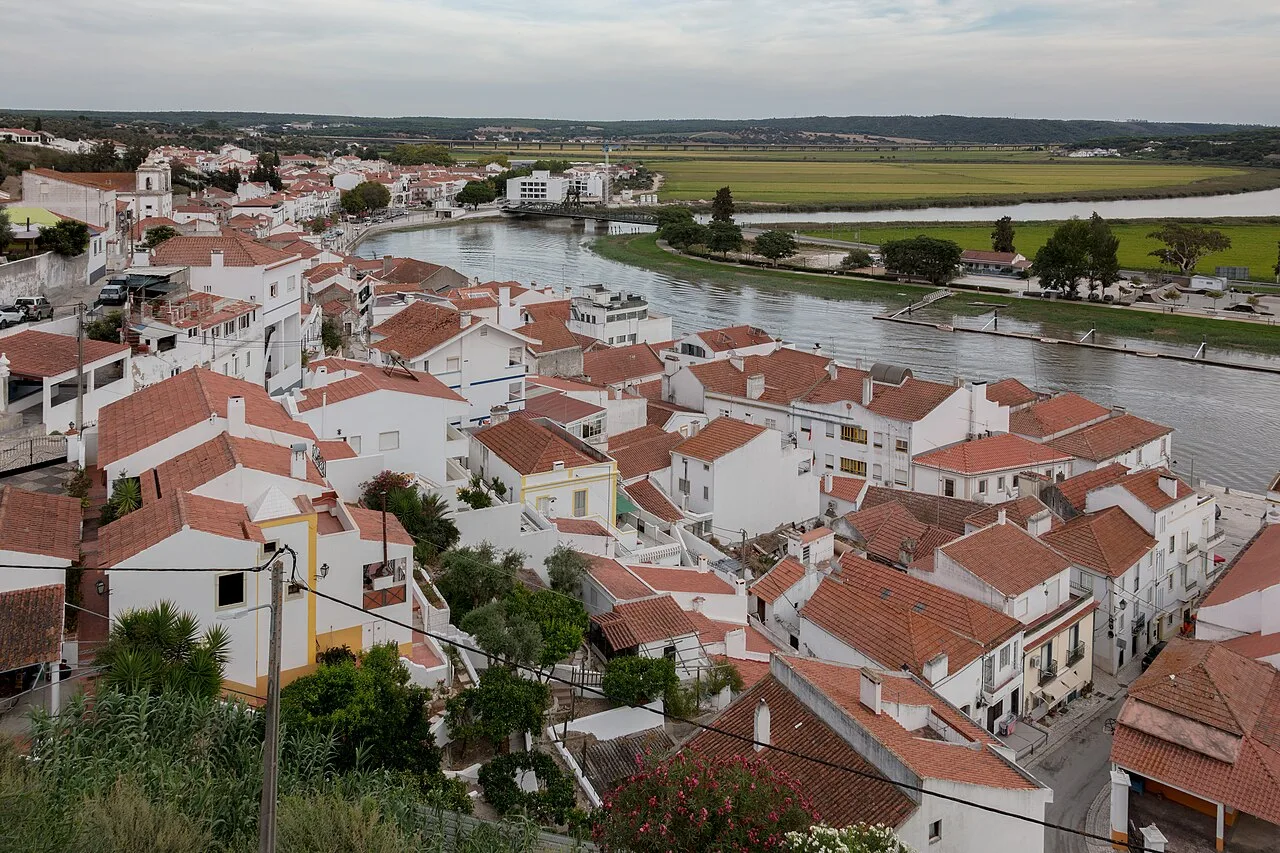
Alcacer do Sal (Arabic name: Qasr Abi Danis) was a powerful fortress on the Sado River, situated approximately 60 km southeast of Setubal. Even after losing Palmela, the Moors held Alcacer, turning it into a staging ground for regular raids on Christian territory.
The Diocese of Lisbon suffered particularly. Its bishop, Soeiro II, became one of the leading advocates for a military campaign against Alcacer.
The Besieging Forces
The siege of Alcacer do Sal stands as an example of a large-scale international military enterprise:
Portuguese forces:
- The army of King Afonso II
- Knights of the Order of Santiago under the command of Martim Pais Barregan
- Knights Templar
- Hospitallers
Foreign Crusaders:
- Rhinelanders and Frisians from the fleet of the Fifth Crusade
- A fleet of nearly 300 ships under the command of Count William I of Holland
- The fleet had departed from Vlaardingen (the Netherlands) on 29 May 1217
The Crusaders were bound for the Holy Land, but — like their predecessors beneath the walls of Lisbon in 1147 — they agreed to assist the Portuguese king along the way.
The Course of the Siege
30 July 1217 — the siege of Alcacer do Sal began.
The besiegers deployed the full arsenal of medieval siege warfare:
- Mines — tunnels dug beneath the fortress walls
- Battering rams — for breaching gates and walls
- Trebuchets — catapults for bombardment
- Siege towers — for scaling the walls
The Battle of Ribeira de Sitimus
11 September 1217 — the decisive moment of the siege.
The Almohad Caliphate assembled a relief army from the garrisons of Jaen, Cordoba, Seville, and Badajoz. The Muslim force advanced on Alcacer to lift the siege.
In the Battle of Ribeira de Sitimus, the combined Christian forces routed the relief army. According to Arab sources, the Almohad soldiers broke and fled — one of the reasons cited was the demoralising memory of their catastrophic defeat at Las Navas de Tolosa (1212), inflicted by a coalition of Christian Iberian kingdoms.
The Fall of the Fortress
18 October 1217 — the city surrendered after a nearly three-month siege.
The governor of Alcacer, Abdallah ibn Wazir, accepted baptism — a symbolic act of capitulation. The city and fortress were handed over to the Order of Santiago.
The capture of Alcacer do Sal became the only permanent territorial gain of the Fifth Crusade — an irony of fate, given that the Crusade’s objective was the Holy Land, not the Iberian Peninsula.
The Order of Santiago and Setubal
The Order in Portugal
The military-religious Order of Santiago (Ordem de Santiago) established itself in Portugal around 1172 under King Afonso I. Originally part of the Castilian branch, the Order gradually acquired considerable autonomy in Portugal.
In 1186, under Sancho I, the Order was entrusted with the castles of:
- Alcacer do Sal
- Almada
- Palmela
Headquarters at Palmela
Around 1210–1212, the Order of Santiago established its headquarters at Palmela. This decision shaped the character and fate of the entire region:
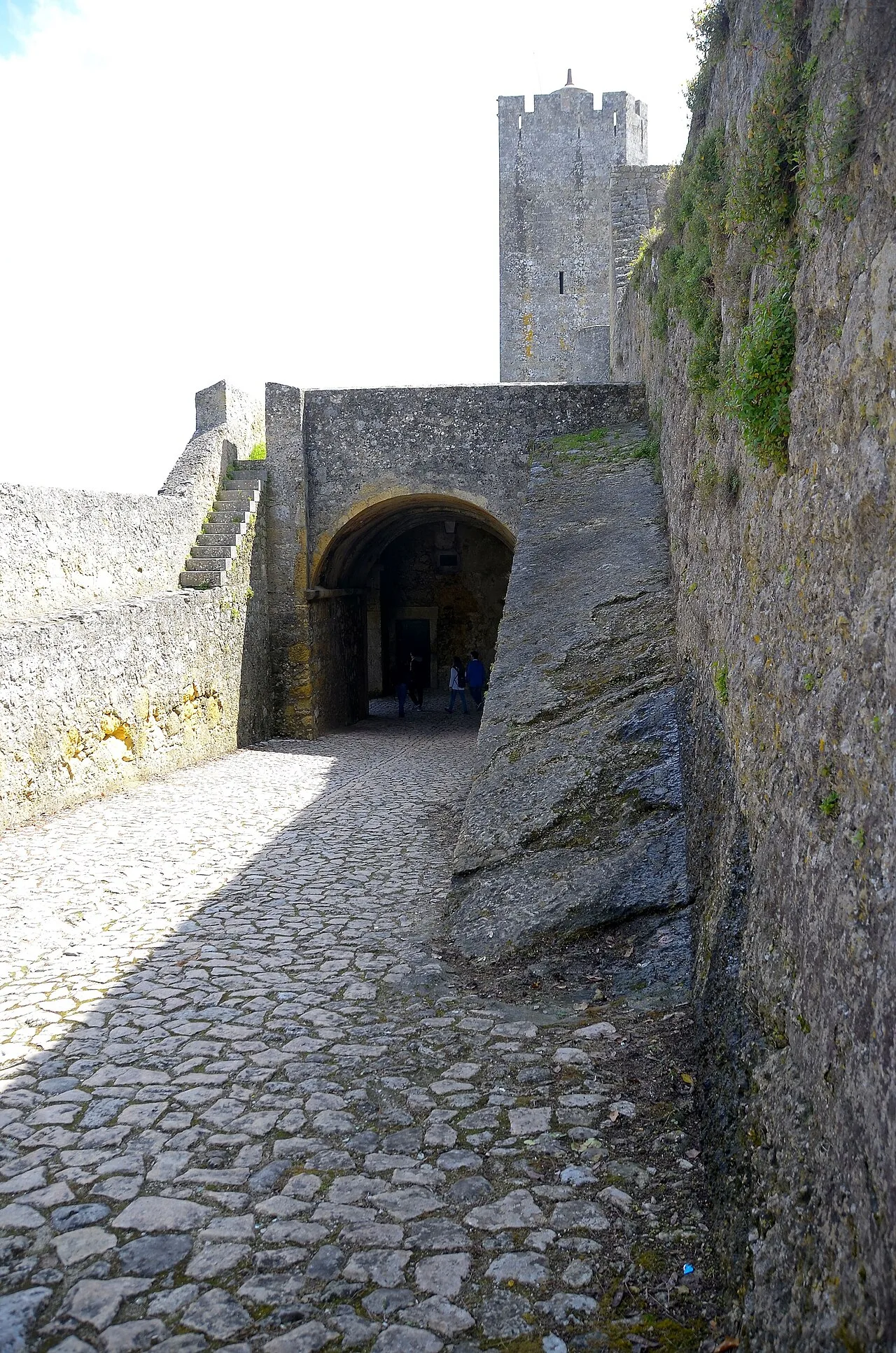
- 1443 — King Joao I ordered the construction of a convent (monastery) at Palmela, which became the Order’s official seat
- 1483 — the Church of Santiago was built within Palmela Castle in the late Gothic style
- The Order governed the region until the dissolution of the religious orders in 1834
The memory of the Order of Santiago lives on in the Santiago Fair, held annually in Setubal since the 18th century.
The Foral of Setubal
1249 — the Order of Santiago granted Setubal its foral — a municipal charter — during the reign of King Afonso III. The foral established:
- The rights and obligations of residents
- The tax regime
- The city’s privileges
- The foundations of self-governance
This event may be regarded as the formal birth of Setubal as a city. Before the foral, Setubal was a fishing settlement without legal standing; afterwards, it was an autonomous municipality with its own rights.
1514 — Setubal received a second foral, granted directly by the Crown (under King Manuel I), reflecting the city’s growing importance.
The Medieval Economy
Fishing
The fishing trade remained the economic backbone of the region, continuing a tradition that reached back to Roman Cetobriga. The waters of the Sado estuary and the Atlantic coast yielded abundant catches of sardines and other fish.
Salt Production
Salt was extracted from the banks of the Sado River using artisanal methods in salt pans (salinas). The salt works, which had existed here since Roman times, acquired special significance in the medieval period as a source of revenue for the Order of Santiago and the Crown.
The Beginnings of Coastal Fortification
In the 14th century, construction of coastal defences began to guard against pirates and hostile fleets:
- Fort Santiago do Outao (Forte de Santiago do Outao) — a sea-level fortification at the mouth of the Sado estuary, controlling access to the river and the port of Setubal
- Coastal watchtowers
The Legacy of the Reconquista
The Reconquista and the medieval period laid the foundations upon which Setubal grew into a city of consequence:
- Geopolitical standing — from a frontier outpost to a secure port in the rear
- Institutional framework — the foral of 1249, municipal self-governance
- Military-monastic patronage — the Order of Santiago ensured security and development
- Economic base — fishing, salt, trade
It was upon this foundation that Setubal flourished during the Age of Discoveries, when its port became one of the launching points for expeditions to the edge of the known world.
Key Dates
| Date | Event |
|---|---|
| 1147 | First capture of Palmela by Afonso Henriques |
| 1165 | Relatively stable Christian control established |
| 1172 | Order of Santiago established in Portugal |
| 1186 | Definitive consolidation of Palmela (Sancho I) |
| 1210–1212 | Palmela becomes the headquarters of the Order of Santiago |
| 1217 | Siege and capture of Alcacer do Sal |
| 1249 | Foral of Setubal granted by the Order of Santiago |
| 1443 | Construction of the Order’s convent at Palmela |
| 1483 | Church of Santiago built in Palmela Castle |
| 1514 | Second foral of Setubal, granted by the Crown |
Image sources
- reconquista-palmela-castle.webp — Palmela Castle — a key fortress of the Reconquista era. Author: GualdimG. License: CC BY-SA 4.0. Source
- reconquista-palmela-medieval-walls.webp — Medieval walls of Palmela Castle. Author: GualdimG. License: CC BY-SA 4.0. Source
- reconquista-alcacer-do-sal.webp — Alcacer do Sal — the Moorish fortress taken in 1217. Author: Vitor Oliveira. License: CC BY-SA 2.0. Source
See also
- The Moorish Period
- Setubal and the Age of Discoveries
- Cetobriga — A Roman City
- Santiago Fair
- Fishing Culture
- Monastery of Jesus
- Fort of Sao Filipe
- Sado Estuary
The light is on for free. But someone has to clean the lantern.
☕ Support on Ko-fi