Setúbal History Timeline
Partially verified
This article is partially verified. Some information may be inaccurate.
“A city that remembers everything — from Roman garum to revolutionary carnations”
A visual chronology of key events in Setúbal’s history — from antiquity to the present day. Each event links to a detailed article.
Era:
Type:
Antiquity · until 711
~1000 BC
Tróia Settlement
Phoenician and Celtic settlements on the Tróia peninsula. First traces of fish processing and salt production in the Sado estuary.
1st–6th c.
Cetóbriga — Roman City
The largest fish-salting complex of the Roman Empire on the banks of the Sado estuary. Garum production exported across the Mediterranean.
5th c.
Decline of Cetóbriga
Barbarian invasions and earthquakes destroy the Roman city. The population moves to the northern bank of the estuary — towards the future Setúbal.
6th–7th c.
Visigothic Period
The region under Visigothic rule. Christianisation of the population and decline of Roman trade infrastructure.
Medieval · 711–1500
8th–12th c.
Moorish Period
Five centuries of Arab rule. Development of irrigation, agriculture, and trade routes in the region.
1147–1400s
Reconquista and Medieval Period
Reconquest from the Moors and the rise of the city. Construction of fortresses, monasteries, and the first city walls.
1186
Palmela Castle
The castle is handed over to the Order of Santiago — the military backbone of the Reconquista. Palmela becomes a strategic fortress above the Sado valley.
1249
Foral of the Order of Santiago
The Knights of the Order of Santiago receive the foral to govern Setúbal, shaping the city’s destiny for centuries.
14th c.
Santiago Fair
The largest fair on the peninsula attracts merchants from across Europe. Trade in salt, fish, wine, and cattle.
Age of Discoveries · 1500–1755
1490s
Monastery of Jesus
The first temple built in the Manueline style — a uniquely Portuguese architectural style. Master Boytac creates the twisted columns that became a symbol of the era.
15th–16th c.
Age of Discoveries
Setúbal as a major port of the Age of Discoveries. Expeditions depart from here to the coasts of Africa and Brazil.
Until 18th c.
Salt Trade
The “white gold” of the Sado estuary: salt from Setúbal was exported across Europe and became the foundation of the regional economy.
1525
Luísa Todi Born in Setúbal
The city becomes the birthplace of outstanding cultural figures. The poet Manuel Maria Barbosa du Bocage will be born here in 1765.
1590s
Fort São Filipe
Philip II builds a mighty fortress on the hill above the harbour — a symbol of Spanish rule and military control over Setúbal.
1640–1668
War of Restoration
The fight for Portuguese independence from Spain. Fort São Filipe was rebuilt to defend the estuary.
17th c.
Azulejos of Setúbal
The golden age of azulejo art — ceramic tile panels decorating the city’s churches and palaces. The Church of São Julião receives its famous tilework.
Industrial Era · 1755–1933
1755
The Great Earthquake
A catastrophe that killed 17% of Setúbal’s population. The tsunami destroyed coastal neighbourhoods; the city was rebuilt from scratch.
1765
Birth of Bocage
Manuel Maria Barbosa du Bocage — Setúbal’s greatest poet and one of Portugal’s foremost lyricists. His statue adorns the city’s central square.
1858
1858 Earthquake
Destruction of the Troino quarter and the emergence of “charity azulejos” — tile panels commemorating aid to the victims.
1860s
Cement Industry
The start of Portland cement production in Setúbal — the oldest in Portugal. The limestones of Arrábida become the foundation of a new industry.
1854–1990s
Canning Industry
Up to 400 factories, thousands of women workers, trade union struggles. Setúbal became Portugal’s canning capital.
1876
Livramento Market
Opening of the municipal market, decorated with azulejo panels. It will become one of the best fish markets in Europe.
1903
Moscatel Winemaking
Creation of the Moscatel de Setúbal controlled designation of origin — one of Portugal’s finest dessert wines.
Dictatorship · 1933–1974
1933–1974
Estado Novo
41 years of Salazar’s dictatorship. The secret police PIDE, underground resistance, and workers’ struggles in the “Red City”.
1927
Zeca Afonso
Birth of José Afonso — future author of “Grândola, Vila Morena”, the song that became the signal for the Carnation Revolution.
1961
Port Development
Major modernisation of the port of Setúbal. Construction of the industrial terminal turns the city into southern Portugal’s largest cargo hub.
1971
Setnave Shipyards
Opening of the Setnave shipyards in Mitrena — one of the largest shipbuilding enterprises in Europe. At its peak — 7,000 workers.
1970s
Arrábida Park
Serra da Arrábida receives natural park status — protecting a unique Mediterranean ecosystem and sea caves.
Contemporary · 1974–present
25.04.1974
Carnation Revolution
Setúbal was one of the first cities to support the revolution. Workers’ self-management and radical transformations.
1974–1976
Retornados
The return of hundreds of thousands of Portuguese from former colonies. A wave of settlers transformed Setúbal’s demographics and culture.
1922
Vitória FC
Vitória de Setúbal football club — the city’s pride since 1910. The 1960s–70s were the club’s golden age with Portuguese Cup victories.
1991–present
AutoEuropa
The largest foreign investment in Portuguese history — the Volkswagen factory in Palmela transformed the regional economy.
1998
Luiz Saldanha Marine Park
Creation of the marine reserve off the Arrábida coast — protecting a unique underwater ecosystem with over 1,000 species.
2010s
Street Art Revival
Murals and street art transform Setúbal’s old quarters. The city becomes one of Portugal’s centres of urban art.
1974–present
Modern Setúbal
Industrialisation, port development, urban renewal, and transformation into Portugal’s third-largest city.
Additional History Articles
- Municipal Governance — from the medieval senate to the democratic câmara
- “Red City”: Political History — underground resistance and the left-wing tradition
- Toponymy — origins of the names of the city, districts, and streets
- Daily Life Under Estado Novo — everyday life under the dictatorship
- Setnave Shipyards — history of shipbuilding
- Migration Mosaic — centuries of migration history
- River Transport on the Sado — ferries, barges, and bridges
Image sources
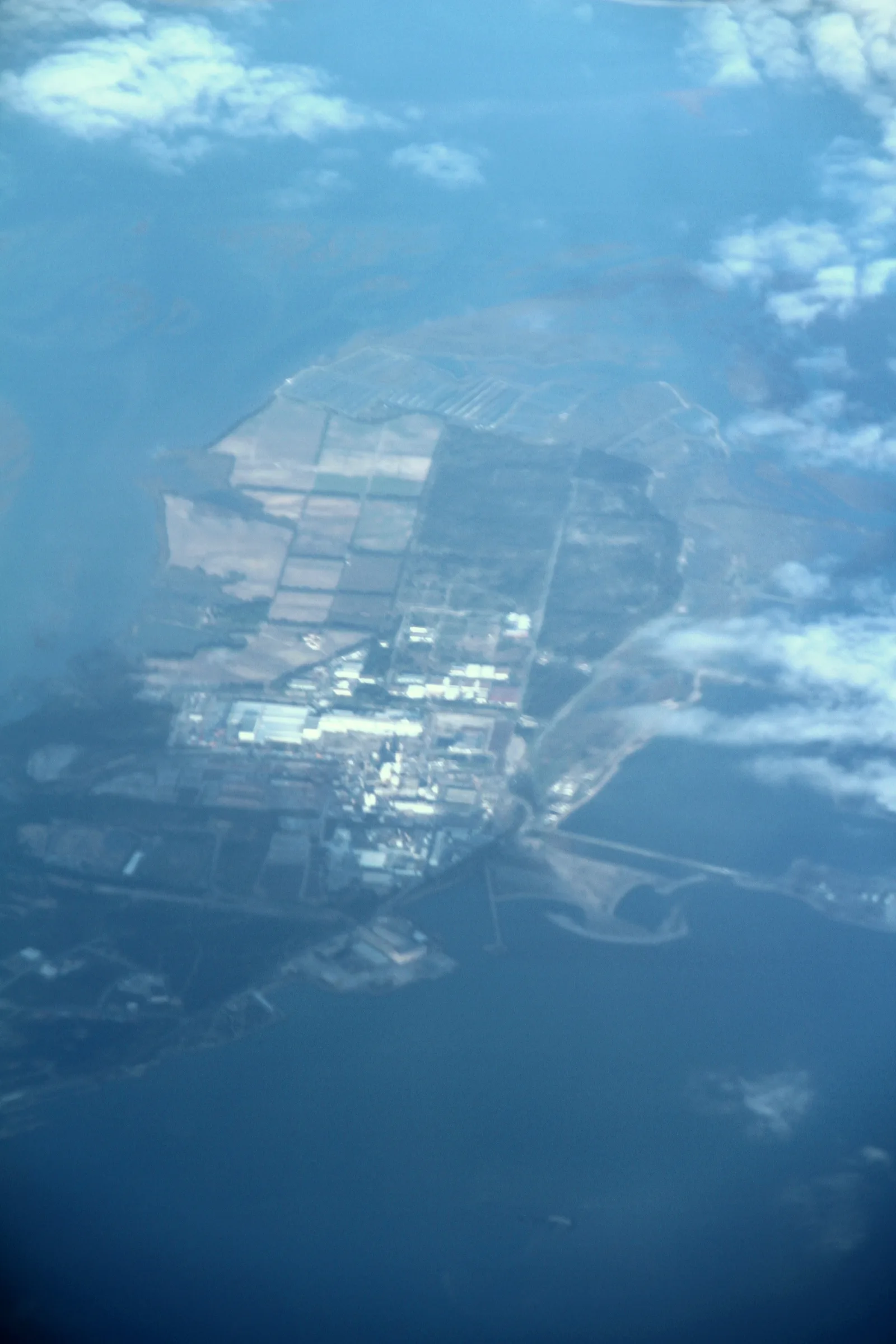
- setubal-aerial-timeline.webp — Aerial photo of Setúbal port area. Author: Bjoertvedt. License: CC BY-SA 4.0. Source
This article is part of a community encyclopedia. We strive for neutral, fact-based coverage. Disputed claims are marked accordingly.
Editorial Policy
If this article was useful — help us write the next one.
☕ Support on Ko-fi