Bairro do Viso — The Neighborhood with a View
📷 Image credit
Photo: Epinheiro / Wikimedia Commons / CC BY 3.0
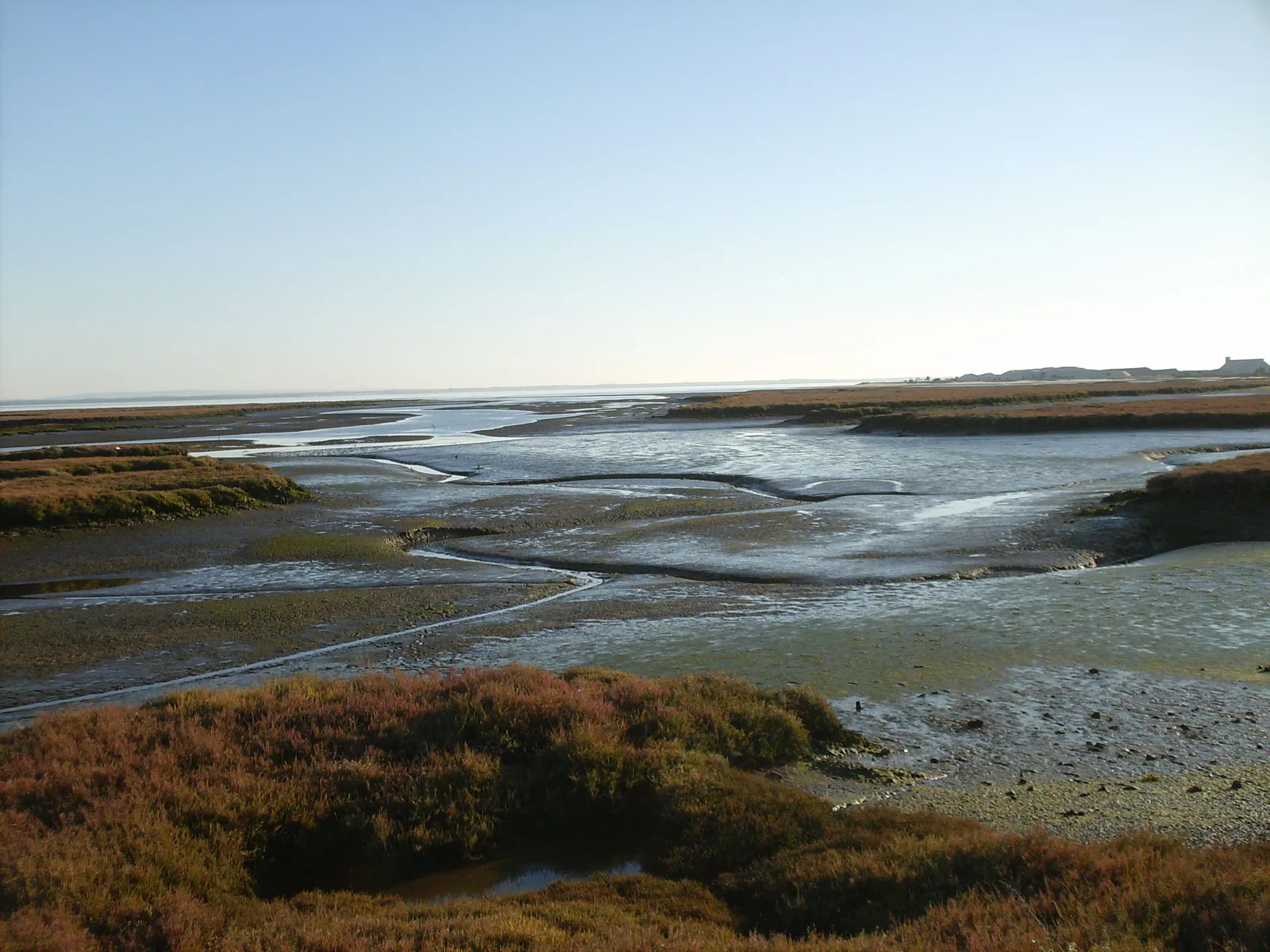
From the hills of Viso, a view unfolds that kings once built palaces to enjoy: the silver ribbon of the Sado, the white strip of Tróia on the horizon, and the green slopes of Arrábida — yet here, on quiet streets, people simply live, accustomed to this beauty as they are to the air they breathe.
Location and Character
Bairro do Viso is a residential neighborhood in the western part of Setúbal, situated on elevated terrain in the direction of the Serra da Arrábida mountain range. The neighborhood’s name derives from the Portuguese word viso, meaning “vantage point” or “place with a view,” which precisely captures the defining feature of this part of the city — its topographical position providing panoramic views of the Sado River estuary and the Tróia Peninsula.
The neighborhood began to take shape in the 1940s–1960s, when Setúbal’s population growth, driven by industrial development — primarily shipbuilding yards and canning factories — required the development of new territories beyond the historic center. Evidence of this early presence includes the Escola Básica do Viso, built under the Plano dos Centenários — the Estado Novo’s nationwide school construction program. Construction consisted predominantly of low- and mid-rise residential buildings typical of Portuguese urban peripheries of that period.
Panoramic Views
Viso’s greatest asset, the one that gave it its name, is its panoramas. From the neighborhood’s upper points, a broad vista unfolds: from the mouth of the Sado, where bottlenose dolphins hunt fish in brackish waters, across the white sand spit of Tróia to the dark green slopes of Arrábida stretching toward Cape Espichel.
At sunset, when the sun descends behind the peninsula, the estuary is painted in gold and pink tones, transforming an ordinary residential neighborhood into a natural viewing platform. Local residents maintain that Viso offers the best view of Setúbal — and the humorous self-designation “Visigodos” (visigodos — a pun on Viso and “Visigoths”) is spoken with pride.
Urban Environment and Infrastructure
Viso represents a typical residential neighborhood (bairro residencial) of a medium-sized Portuguese city. The built environment consists predominantly of apartment buildings of three to five stories, constructed during the 1960s–1980s, interspersed with older one- and two-story houses with whitewashed walls and traditional tile roofs.
The neighborhood is served by basic infrastructure: small grocery stores, pharmacies, cafes (including the well-known Confeitaria d’Arrábida bakery) meet residents’ daily needs. The Escola Básica do Viso primary school, a Jardim de Infância (kindergarten), and the USF São Filipe — Viso health center are located here, with Escola Secundária Lima de Freitas secondary school nearby. For more substantial shopping, residents use bus routes (4409, 4426, 4428, 4730) to the city center or the São Sebastião commercial zones.
A defining characteristic of Viso is its quiet provincialism. Unlike the bustling Baixa or the densely populated quarters of São Sebastião, life here follows a measured pace typical of bedroom communities. Streets come alive in the morning as residents head to work, and in the evening when retirees step out for walks, enjoying the sunset views over the Sado.
Proximity to Nature
One of Viso’s key advantages is its immediate proximity to natural areas. The neighborhood’s western edge borders the zone transitioning into the Arrábida Natural Park territory, making Viso a starting point for hiking and cycling excursions through the mountain range.
Residents of the neighborhood have quick access to walking trails leading through Arrábida’s wooded slopes to hidden coastal coves — Galapinhos, Portinho, and Figueirinha. The distance from Viso to the natural park boundary is approximately 3–5 km, and the Roman Road hiking trail begins from the hilltop, allowing the natural areas to serve as a venue for daily walks rather than only weekend outings.
This proximity to nature, combined with the estuary views, creates a distinctive quality of life in Viso: urban convenience paired with the sensation of living at the edge of wilderness — a sensation that is becoming increasingly rare in the growing cities of the Lisbon region.
Social Portrait
Viso’s population is predominantly working class (classe trabalhadora) with “humble roots” (raízes humildes), as residents themselves describe it. Families working in the industrial sector and services, retirees who have lived in the neighborhood for decades, and — in recent years — young couples attracted by relatively affordable housing prices compared to the historic center.
Community life centers around several cafes and small squares where retirees gather for the traditional “café e conversa” — coffee and conversation. The Associação de Moradores do Bairro da Anunciada coordinates community affairs. Since 2020, the annual Festival Visigodo — a free celebration with live music and gastronomy organized at the Lima de Freitas school — has become a neighborhood tradition, with proceeds benefiting local collectives.
Prospects and Development
In recent years, Viso has attracted the attention of developers and foreign buyers seeking an alternative to the increasingly expensive city center. A notable example is the São Francisco Condominium: 35 apartments across seven floors with a rooftop pool and 360° panoramic views (delivery scheduled for 2026).
At the same time, Viso residents express concern that excessive construction could strip the neighborhood of its greatest asset — open panoramic views. High-rise buildings blocking the estuary vista risk destroying what makes Viso unique — the sensation of living on a viewing platform where every morning begins with a view of water and mountains.
Architectural Character
Viso’s built environment lacks architectural masterpieces, yet possesses a certain honest quality: buildings from the 1960s–1980s, constructed according to standard designs, have over time acquired individual traits — enclosed balconies, flower pots on windowsills, signage of small workshops on ground floors. Between the apartment blocks, small terraced homes with gardens, narrow staircases, and dead-end alleyways survive, reminding visitors that this was rural outskirts not so long ago.
The neighborhood’s streets, following the contours of the hills, form a network of inclined roads and stairways typical of Setúbal’s elevated quarters. While this topography creates inconvenience for elderly residents and drivers, it ensures Viso’s greatest asset — open perspectives unobstructed by neighboring buildings.
[UNVERIFIED] The hill’s historical connection to the city runs deeper than its built environment: on Alto do Viso, on May 1, 1847, the Battle of Viso took place — one of the engagements of the Patuleia civil war, claiming approximately 500 lives.
Viso remains one of those quiet neighborhoods that guidebooks rarely mention, yet which define the authentic character of a city: not the ceremonial or touristic character, but the everyday, human, genuine one.
📷 Image credit
Photo: OsvaldoGago / Wikimedia Commons / CC BY-SA 3.0
See Also
- Sado River Estuary — Life Between River and Sea
- Arrábida Natural Park
- Tróia Peninsula — White Sands and Roman Ruins
- Baixa — Historic Center of Setúbal
If this article was useful — help us write the next one.
☕ Support on Ko-fi