Gâmbia-Pontes-Alto da Guerra — Rural Parish of the Salt Works
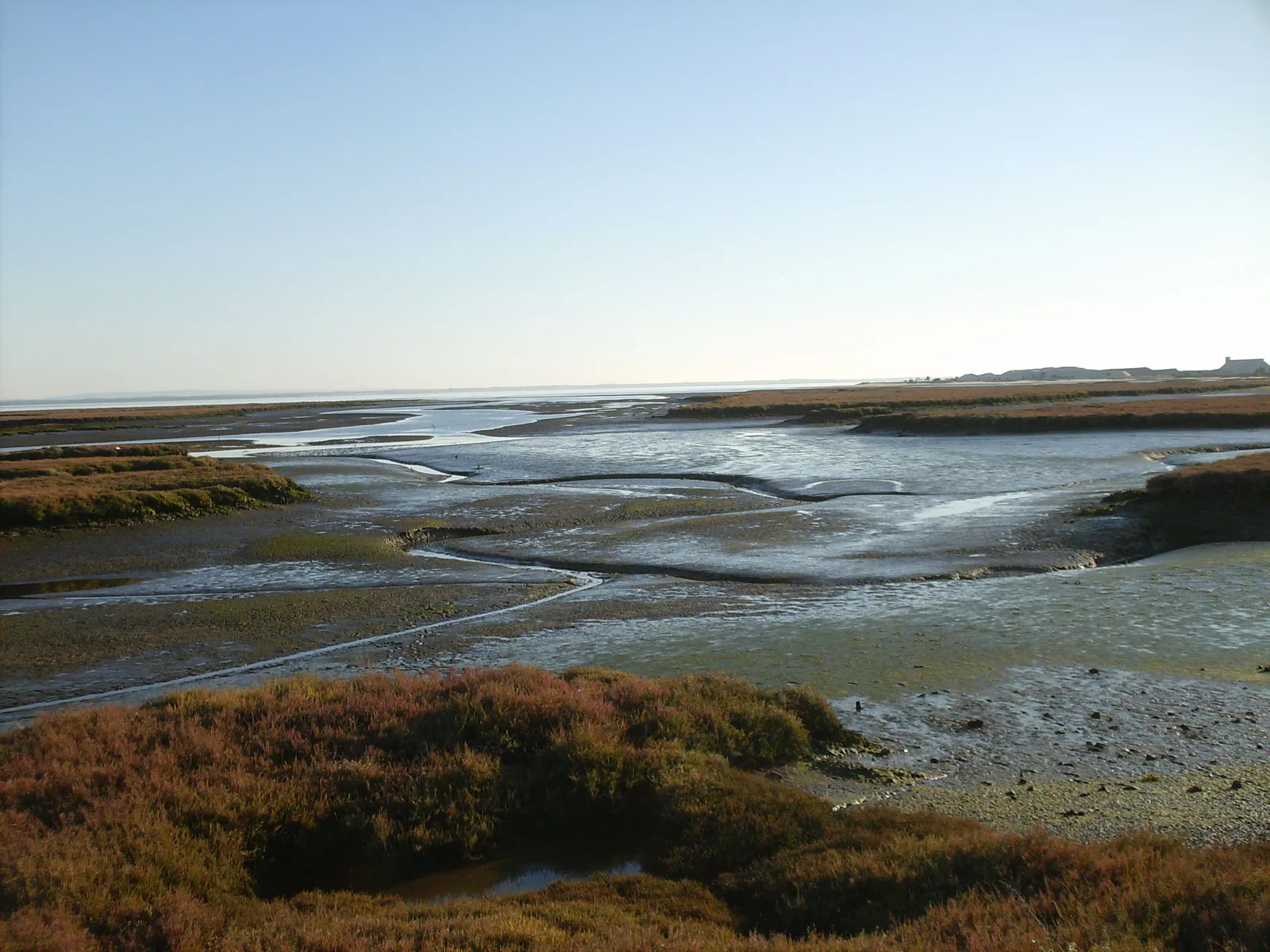
📷 Image credit
Photo: Epinheiro / Wikimedia Commons / CC BY 3.0
Where the sun spent centuries evaporating salt from the waters of the Sado, and the knights of Santiago collected their tithe from white mountains of crystals, Gâmbia-Pontes preserves the memory of a trade that was once more precious than gold.
Creation of the Parish
The Freguesia de Gâmbia-Pontes-Alto da Guerra was established on October 4, 1985 under Law 102/85 (Lei n.º 102/85), separating from larger administrative units. In 2025, the parish celebrated its 40th anniversary — a milestone that prompted reflection on the journey traveled by this small rural community.
According to the 2021 census, the parish covers an area of 32.96 km² and has a population of 6,809. These figures make Gâmbia-Pontes one of the least populated parishes in the municipality of Setúbal — with just over 200 people per square kilometer, a stark contrast to the densely built urban quarters just ten minutes’ drive away.
Three Constituent Parts
The parish’s triple name indicates its composite character — it unites three historic settlements, each with its own villages and hamlets:
Gâmbia
The settlement of Gâmbia and its surroundings include the localities of Vale de Judeus (“Valley of the Jews,” a toponym referencing the medieval presence of Jewish communities), Biscaínho, and Bairro dos Salgueiros. Gâmbia occupies a central position in the parish and serves as its informal center.
Pontes
The Pontes area spreads across a vast territory and includes numerous scattered settlements: Mourisca (another toponym recalling the Moorish past), Monte dos Patos, Brejos de Canes, and several other hamlets. The majority of the parish’s agricultural land is concentrated in the Pontes area.
Alto da Guerra
Alto da Guerra (“Height of War,” presumably linked to military events of the Reconquista or later conflicts) is the eastern part of the parish, including the settlements of Poço Mouro, Serralheira, and others. This portion of the parish sits on higher ground and was historically oriented toward crop farming.
Salt History: The White Gold of the Sado
The main historical thread connecting Gâmbia-Pontes to the broader history of Portugal is salt production. Exploitation of salt pans (salinas) along the banks of the Sado estuary in the area of the present-day parish has been documented since at least the 16th century, when the Order of Santiago, which governed Setúbal, actively encouraged the development of salt production as a source of revenue.
Salt from Setúbal was one of medieval Portugal’s most important export commodities. Merchants from Flanders, England, and Hanseatic cities sailed to the port of Setúbal for “white gold,” which was used for preserving fish — a key food product in an era when refrigeration did not exist. The salt works in the Gâmbia-Pontes area were part of this vast trading system.
The salt extraction process was labor-intensive and seasonal: from May to September, workers called marnoteiros directed seawater from the Sado estuary into a system of shallow basins (tanques), where sun and wind evaporated the moisture, leaving salt crystals behind. Each salt works (marinha) constituted a complex hydraulic system of channels, sluice gates, and basins of varying depths.
Decline and Transformation
In the 18th century, Setúbal’s salt industry entered a period of decline. Competition from other Portuguese salt-producing centers — primarily Aveiro and Faro — along with shifting trade routes led to reduced demand for Setúbal salt.
The local population, deprived of its primary source of income, gradually shifted toward agriculture: growing cereals, viticulture, and vegetable farming. Many families relocated from the coastal zones inland, cultivating more fertile lands on the higher ground — a process that largely determined the present settlement pattern within the parish.
Of the numerous salt works that once lined the banks of the Sado, only one remains operational today — Marinha Nova in the locality of Bispas. It stands as a living monument to a centuries-old tradition, producing salt by traditional hand methods and attracting the interest of tourists and artisanal food enthusiasts.
From Salt to Fish: Aquaculture
The old salt basins met a paradoxical fate: many of them were converted into fish farms (pisciculturas). The basin system once designed for salt evaporation proved ideally suited for raising fish and shellfish — the estuary’s brackish water, shallow depth, and protection from storms created optimal conditions.
This transformation, which began in the second half of the 20th century, turned part of the Gâmbia-Pontes territory into an aquaculture zone producing sea bream (dourada), sea bass (robalo), and other species. Thus, the water that for centuries served as a source of salt continues to feed people — simply in a different way.
Rural Character and Modern Life
Gâmbia-Pontes-Alto da Guerra retains a predominantly rural character that sets it apart from Setúbal’s urbanized parishes. There are no high-rise housing blocks, shopping centers, or industrial enterprises here. Instead — hamlets scattered across the territory, surrounded by fields and orchards, an unhurried pace of life, and close neighborly ties.
The population’s main occupations remain connected to the land: small-scale farming, livestock keeping, and vegetable cultivation. Some residents work in the city, using the parish as a place of residence with low land and housing costs, but returning every evening to a rural way of life.
The parish’s toponymy preserves traces of centuries of history: Vale de Judeus recalls the Jewish communities expelled at the end of the 15th century; Mourisca evokes the Moorish presence; Alto da Guerra speaks of military clashes during the Reconquista. Each name is a palimpsest through which layers of Portuguese history show.
Natural Surroundings
The parish territory encompasses part of the Sado estuary shoreline, which determines its ecological significance. Salt marshes and former salt basins have become important habitats for waterfowl — flamingos, herons, sandpipers — attracting birdwatchers and ecotourists.
The combination of wetlands, agricultural areas, and small forest patches creates a diverse ecosystem characteristic of the transitional zones between river and land. Proximity to the Sado Estuary Nature Reserve imposes additional environmental obligations on the parish, limiting possibilities for industrial development while preserving the territory’s natural wealth.
Forty Years and the Future
As it marks four decades of independent existence in 2025, Gâmbia-Pontes-Alto da Guerra faces a dilemma typical of rural Portuguese parishes: how to preserve identity and quality of life amid pressure from the growing city and a changing economy.
Young people leave for Setúbal, Lisbon, and abroad in search of work and education. An aging population requires social services that are difficult to provide on the modest budget of a small parish. Agriculture is increasingly uncompetitive against imported products.
Yet precisely what makes Gâmbia-Pontes vulnerable may also become its strength: silence, space, proximity to nature, artisanal traditions — all values whose demand grows as urban life becomes ever more stressful. The sole surviving salt works at Marinha Nova, the fish farms, ecotourism along the banks of the Sado — in these modest beginnings perhaps lies the answer to the question of the future for a parish whose past was woven from salt, water, and sun.
See Also
- Salt Trade — The White Gold of Setúbal
- The Foral and the Order of Santiago
- Sado River Estuary — Life Between River and Sea
- Reconquista and the Medieval Period
All our knowledge is free. Creating it is not.
☕ Support on Ko-fi