The Carnation Revolution in Setubal (25 April 1974)
Setubal was one of the principal centres of the labour movement during the Carnation Revolution and the revolutionary process that followed (1974–1975). Known as “Red Setubal” (Setubal ville rouge), the city came closer than any other in Portugal to a model of workers’ self-government.
Context
Setubal on the Eve of the Revolution
By the early 1970s, Setubal was one of Portugal’s major industrial centres. The Setubal Peninsula embodied the economic growth of the 1960s and had become a stronghold of the working class:
- Setenave – a giant shipyard, one of the largest enterprises in the country
- Ford and British Leyland automobile plants – foreign-owned factories providing thousands of jobs
- The legacy of the canning industry – although the industry itself was in decline, its working-class traditions and trade-union culture endured
- Fishing – the port and its associated infrastructure
At the Setenave shipyard and its “elder sister” Lisnave, located closer to Lisbon, strikes and labour actions had been occurring since 1973. In the final six months before the coup, approximately 100,000 workers across the country took part in illegal strikes protesting the fall in real wages. The Lisbon-Setubal industrial belt was the epicentre of these protests.
The Estado Novo Regime
Portugal had been under the authoritarian Estado Novo regime since 1933 – initially led by Salazar, then by Caetano. Trade union activity was suppressed and opposition was persecuted by the secret police, the PIDE. Nevertheless, the Portuguese Communist Party (PCP), which had been operating underground since its founding in 1921, had one of its strongest bases in Setubal.
Chronology
25 April 1974: The Day of the Coup
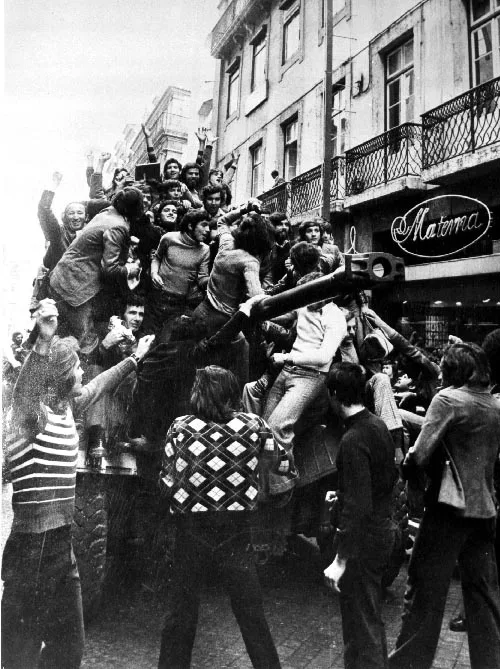
During the night of 24–25 April, the Armed Forces Movement (MFA – Movimento das Forcas Armadas), composed mainly of junior officers, launched a military coup against the Caetano regime.
As part of the military operations, a column from the 3rd Cavalry Regiment (RC 3), based in Estremoz, under the command of captains Andrade Moura and Alberto Ferreira, advanced toward Setubal with the objective of reaching the Salazar Bridge (now the 25 de Abril Bridge). Captains Miquelina Simoes and Gastao Silva from the 1st Cavalry Regiment of Elvas joined the column.
Workers at Lisnave and Setenave followed the unfolding events intently on the radio. Within two days of the coup, Lisnave workers sent a message of congratulations to the Junta of National Salvation and the MFA.
The First Week: An Eruption of Activity
Between 25 April and 1 May 1974, there were 97 strikes – more than in any single year under the old regime. As early as 26 April, residents of the shantytowns in the industrial belts of Lisbon, Setubal, and Porto began occupying empty houses.
Shipyard and factory workers went on strike demanding a 50-percent wage increase.
The Revolutionary Process (PREC): April 1974 – November 1975
The period known in Portugal as PREC (Processo Revolucionario em Curso – the Ongoing Revolutionary Process) lasted 19 months. During this time:
- Hundreds of thousands of workers took part in strikes
- Hundreds of enterprises were occupied by their workers, sometimes for months
- Approximately 3 million people (out of a population of roughly 9 million) participated in demonstrations, occupations, and the work of commissions
- Management of more than 1,000 enterprises was handed over to workers
- Many of these transitioned to self-management (autogestao), and some were reorganised as cooperatives
- By October 1974, the country had around 4,000 workers’ commissions (Comissoes de Trabalhadores)
Setubal During This Period
The “Red City”
Setubal earned a reputation as one of Portugal’s most politically active cities during the PREC. The label “Red City” (cidade vermelha) reflected the strong position of the left, above all the Portuguese Communist Party (PCP), which in subsequent elections received more than half the vote in Setubal.
The Struggle Committee (Comite de Luta)
The city that came closest to workers’ power was Setubal. Here, a powerful Comite de Luta (Struggle Committee) was formed, whose meetings and decision-making methods became a model of new forms of workers’ democracy.
The committee brought together representatives from various sectors:
- Factory committees
- Neighbourhood committees (residents’ commissions)
- Soldiers’ committees
- Peasant cooperatives
In October 1975, these structures formed a central committee for Setubal – a coordinating body that united neighbourhood, factory, and soldiers’ committees with peasant cooperatives.
The Struggle Committee rejected a plan for a revolutionary uprising – but only because no comparable network of organisations existed across the rest of the country that could have extended workers’ power beyond Setubal.
The Setenave Shipyard
Workers at the foreign-owned Setenave shipyard were among the most active participants in the revolutionary process. Their position on the question of workers’ control is telling:
“We do not have workers’ control, and how can we have it without controlling the banks? Our position is – we want to know everything. We do not believe we can achieve workers’ control on our own.”
Workers from Lisnave and Setenave marched through Lisbon in hard hats and work clothes, becoming one of the enduring images of the revolutionary movement.
Political Confrontations
The political atmosphere in Setubal was especially tense. In March 1975, a meeting of the PPD (People’s Democratic Party, centre-right) in Setubal was stormed, and two demonstrators were shot dead in clashes with police. This incident reflected the intensity of political struggle in a city where the left held sway.
Housing Occupations and Self-Organisation
From the very first days after the coup, residents of the shantytowns in Setubal’s industrial belts began squatting empty houses. Residents’ commissions (Comissoes de Moradores) were formed, taking on not just housing issues but the organisation of daily life in the neighbourhoods. The study “Os Moradores a Conquista da Cidade: Comissoes de Moradores e Lutas Urbanas em Setubal” (“Residents Conquer the City: Residents’ Commissions and Urban Struggles in Setubal”) documents this process.
Tangible Heritage
The Documentary Film “Setubal, ville rouge”
A unique record of revolutionary Setubal is the documentary “Setubal, ville rouge” (1976, IMDb), filmed in Portuguese and French. The film captures October 1975 – the moment when residents, factory workers, soldiers in their barracks, and peasants organised to elect new leadership. It is a valuable historical document recording forms of grassroots democracy and self-organisation in an industrial city.
Industrial Heritage
The Setenave shipyard and other major enterprises that served as arenas of the labour movement have for the most part closed in the decades since. The deindustrialisation of Setubal is one of the defining themes of the city’s history in the latter half of the twentieth century. The Museum of Work, housed in the former Fabrica Perienes cannery, while primarily devoted to the canning industry, preserves the memory of the city’s working-class culture.
Political Legacy
Setubal remains one of the bastions of the left in Portugal. Following the 2005 local elections, the PCP held leadership in 32 municipalities, concentrated mainly in the Alentejo and the Setubal District. Although the PCP’s electoral positions have weakened in recent years, the city retains its left-leaning political identity.
Impact on the City
The Carnation Revolution and the ensuing PREC profoundly shaped Setubal:
- Housing – mass occupations of housing led to the redistribution of the housing stock and the launch of social housing programmes
- Labour rights – gains of the labour movement: the right to strike, collective bargaining agreements, workers’ commissions
- Political culture – a tradition of civic activism and participation that persists to this day
- Urban identity – the reputation of the “Red City,” which became part of Setubal’s self-image
- Deindustrialisation – paradoxically, the revolutionary period accelerated the flight of capital and the closure of foreign-owned enterprises, triggering a process of industrial decline
Practical Information
- 25 April is a national holiday in Portugal (Dia da Liberdade – Freedom Day). In Setubal, memorial events, demonstrations, and cultural activities are held each year
- In 2024, the Feira de Sant’Iago was dedicated to the 50th anniversary of the Carnation Revolution
- The Museum of Work preserves the memory of the city’s working-class culture
- On the streets of Setubal, visitors can see memorial plaques and murals relating to the revolutionary period
Notes
[UNVERIFIED] The details of military operations in Setubal itself on 25 April 1974 (which specific military units were stationed in the city, how power changed hands at the local level) require further research in primary Portuguese sources and military archives.
[DISPUTED] The assessment of the PCP’s role in the revolutionary process in Setubal is a matter of debate. Left-wing sources emphasise the grassroots, spontaneous character of the labour movement, while others point to the party’s coordinating role. The reality probably encompassed both elements.
[UNVERIFIED] Precise figures for the number of occupied enterprises and houses specifically in Setubal (as opposed to nationwide) have not yet been found in the available sources.
Image sources
- revolucao-dos-cravos.webp — Carnation Revolution, April 25, 1974. Author: Centro de Documentacao 25 de Abril. License: CC BY 4.0. Source
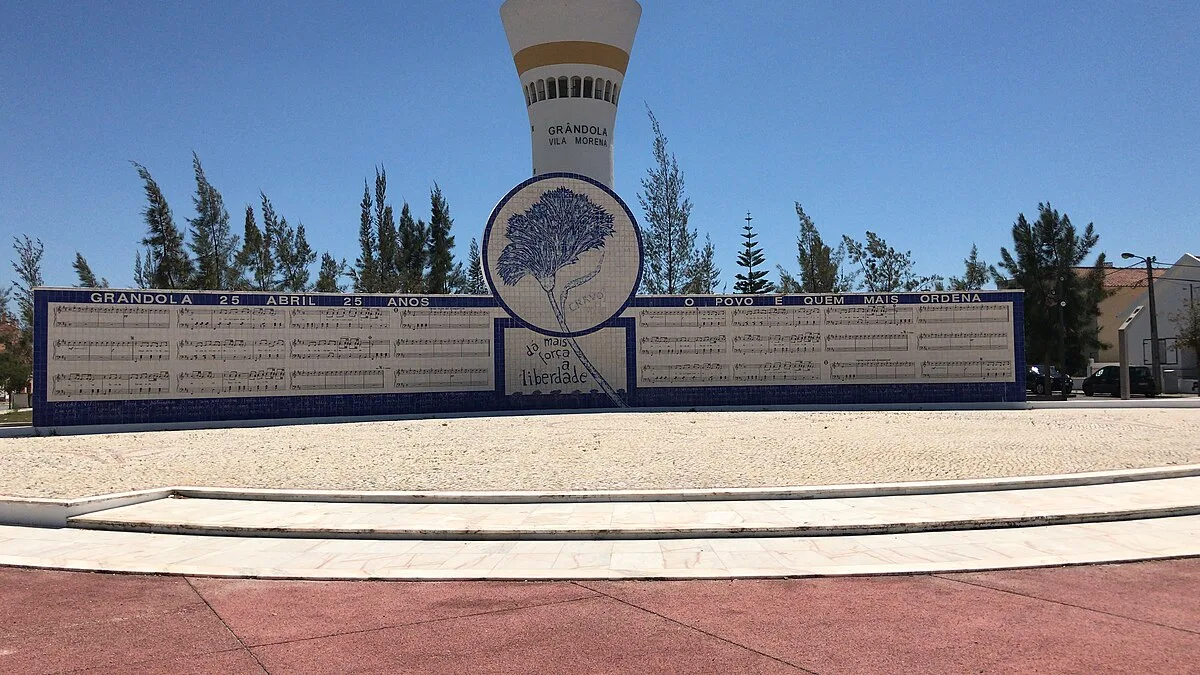
- grandola-vila-morena-mural.webp — Grandola Vila Morena mural in Grandola. Author: Txo. License: CC BY-SA 4.0. Source
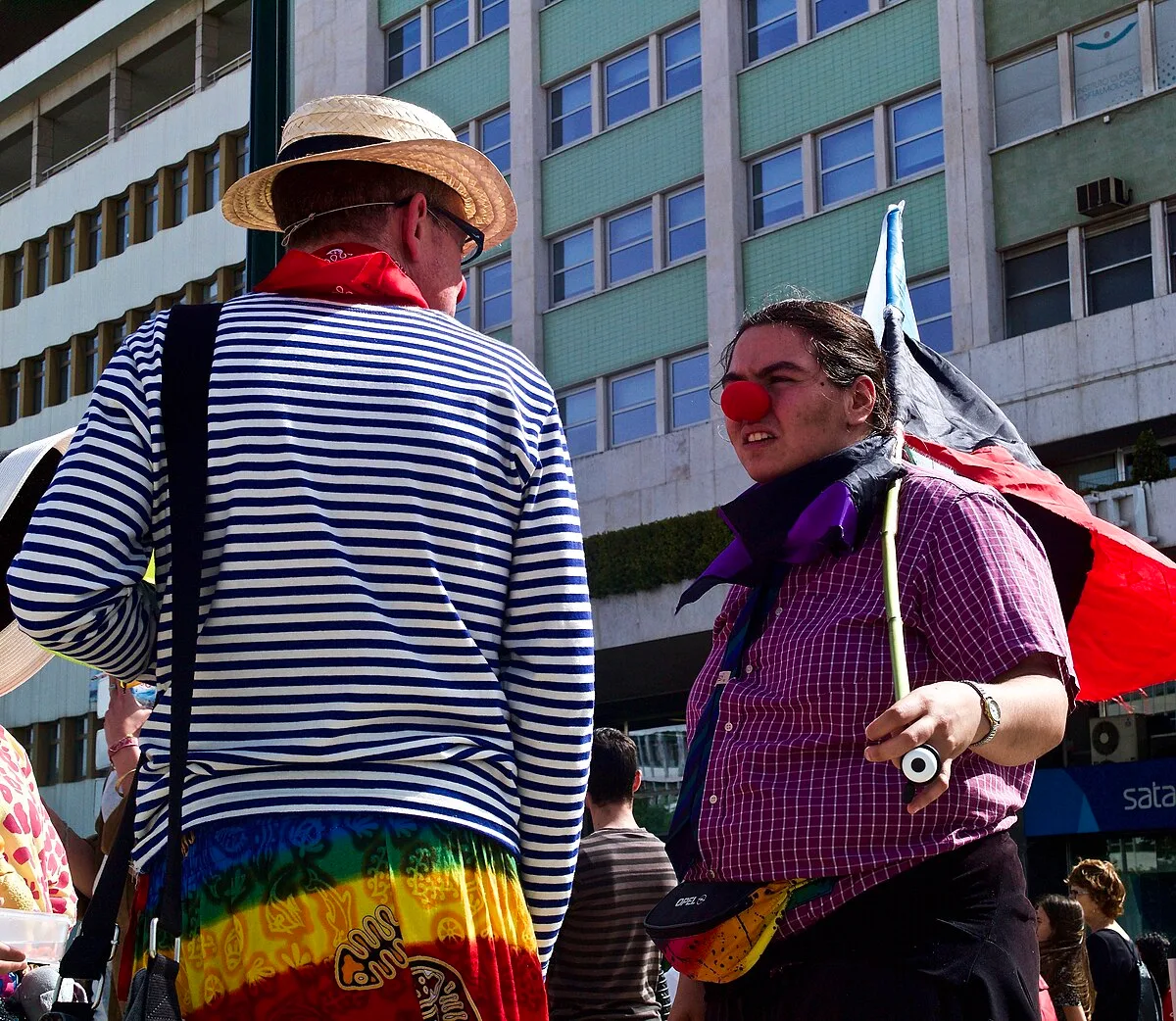
- carnation-revolution-celebration-2018.webp — Revolution anniversary celebration, 2018. Author: Pedro Ribeiro Simoes. License: CC BY 2.0. Source
See also
- The Fishing Culture of Setubal
- Feira de Sant’Iago
- Zeca Afonso and the Carnation Revolution
- The Canning Industry
If this article was useful — help us write the next one.
☕ Support on Ko-fi