Festas do Bocage and City Day (Festas do Bocage / Dia da Cidade)
Setubal’s municipal holiday, celebrated on 15 September in honour of the birthday of the poet Bocage – the city’s foremost literary figure. The occasion combines ceremonial tributes, poetry readings, concerts, and cultural events.
Origins
Manuel Maria Barbosa du Bocage (1765–1805)
Manuel Maria Barbosa l’Hedois du Bocage was born on 15 September 1765 in Setubal, to Jose Luis Soares de Barbosa and Mariana Joaquina Xavier l’Hedois Lustoff du Bocage, a woman of French descent. The family belonged to the minor nobility.
Bocage began composing verse in childhood and was considered a prodigy. At the age of 14 he left school and enlisted in the 7th Infantry Regiment, garrisoned in Setubal. Two years later, restless with garrison life in his hometown, he joined the navy. His service took him to India (Goa) and Macau; he also visited Brazil (Rio de Janeiro).
Upon returning to Lisbon, Bocage joined the literary society Nova Arcadia, founded in 1790, under the pseudonym Elmano Sadino – an anagram of “Manuel” and a nod to the River Sado that flows through Setubal. Three years later, however, he was expelled from the society for a satirical sonnet criticising the organisation.
Bocage is celebrated above all as a master of the sonnet. His sonnets are placed alongside those of Camoes for their depth of thought, elevation, and tender melancholy. Beyond sonnets, he wrote elegies, odes, fables, and cantatas. He is regarded as the foremost representative of Arcadism (late Classicism) in Portuguese poetry and a precursor of Romanticism – his deeply personal, individualistic verse anticipated the Romantic movement of the nineteenth century.
The poet died on 21 December 1805 in Lisbon of an aneurysm, at the age of 40.
The Statue and Praca do Bocage
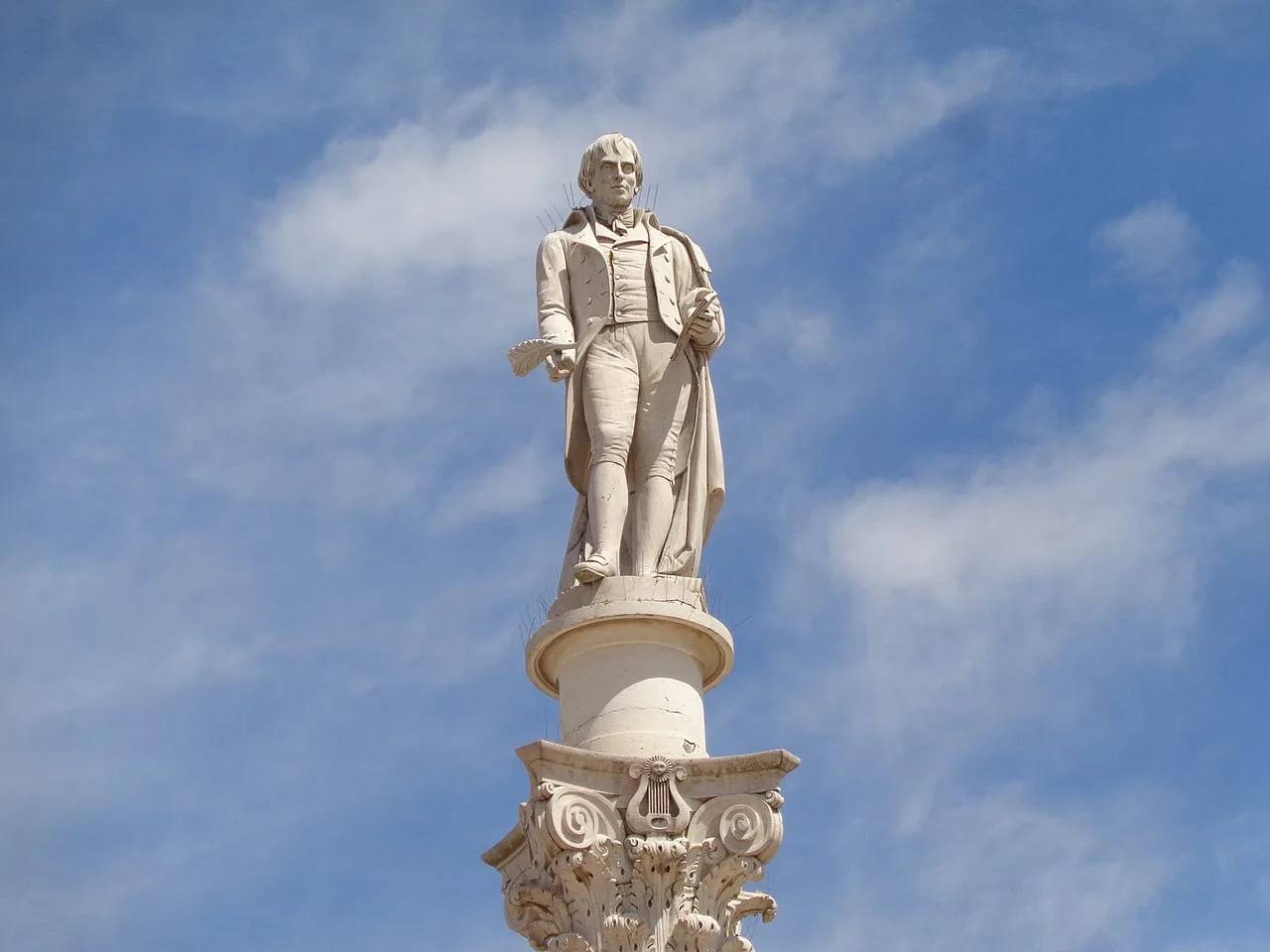
In 1871, a statue of Bocage was erected in Setubal, funded by contributions raised in Brazil and in Setubal itself, on the initiative of the Romantic writer Antonio Feliciano de Castilho. The monument was placed on the city’s main square, which has since borne the name Praca do Bocage. The municipal council building and the Church of Sao Juliao also stand on this square.
In 1905, the centenary of the poet’s death was marked by solemn ceremonies in the city.
Establishment of the Municipal Holiday
15 September – Bocage’s birthday – is a municipal holiday (feriado municipal) in Setubal, meaning it is an official day off in the city. The holiday unites Bocage Day and City Day (Dia de Bocage e da Cidade).
Description
The Central Ceremonies
The culmination of the celebrations falls on 15 September and begins with a solemn ritual:
- 09:00 – flag-raising ceremony at the municipal council building
- Wreath-laying at the Bocage statue on Praca do Bocage
- Performance by the theatre company TOMA – Teatro Oficina Multi Artes
The Cultural Programme
Although 15 September is the focal day, the celebrations span several days (typically 12 to 17 September and continuing throughout the month). Events include:
- Jornadas Bocagianas – themed days devoted to Bocage’s life and work:
- Display of the poet’s notable quotations in branches of the Municipal Public Library
- Exhibitions of book covers, portraits, caricatures, manuscript excerpts, and rare editions
- Exhibitions about the poet’s life and legacy
- Poetry evenings – for example, “Bocage – Entre Vozes e Mares” (“Bocage – Between Voices and Tides”) at the historic Moinho de Mare da Mourisca (Mourisca tidal mill)
- Poetry recitation competitions featuring Bocage’s works
- Concerts – the closing concert is traditionally held at Largo de Jesus (by the Monastery of Jesus)
- Documentary screenings and film programmes
- Workshops – for example, open Latin dance classes on Praca do Bocage
- Children’s programme – activities for children and families
- Exhibitions – artistic and historical shows in the city’s cultural venues
All events are generally free of charge.
Anniversaries
Celebrations are particularly grand in jubilee years. In 2025, the 260th anniversary of Bocage’s birth was marked by an expanded programme of cultural events.
Significance for the City
Bocage is more than a historical figure for Setubal. He is a symbol of civic identity, woven into the very fabric of the city:
- The main square bears his name
- His statue is the principal landmark of the city centre
- His pseudonym “Elmano Sadino” evokes the city’s bond with the River Sado
- The municipal holiday coincides with his birthday
Unlike the Feira de Sant’Iago, which is a boisterous popular fair, the Festas do Bocage is a more intimate and culturally oriented occasion. It is not so much a fairground as a series of cultural events – poetry, music, theatre, exhibitions. Where the Santiago Fair is about revelry, Bocage Day is about reflection and cultural self-awareness.
A Comparison of Setubal’s Two Major Celebrations
| Feira de Sant’Iago | Festas do Bocage | |
|---|---|---|
| When | Late July – early August | 15 September (and the surrounding week) |
| Character | Popular fair and festival | Cultural celebration |
| Attendance | ~400,000 | Considerably smaller |
| Scale | Dedicated venue (Manteigadas) | City centre, multiple venues |
| Admission | Free | Free |
| Focus | Music, food, amusements | Poetry, exhibitions, ceremonies |
| Status | Tradition since 1582 | Municipal public holiday (feriado) |
Practical Information
- Date: 15 September is a municipal holiday; the programme of events usually runs 12–17 September and may extend throughout the month
- Location: Praca do Bocage (central ceremonies), Largo de Jesus (concerts), city libraries, museums, and cultural venues
- Admission: Free
- Highlight: Wreath-laying at the Bocage statue, 09:00, 15 September
- Who it’s for: Those who appreciate Portuguese poetry, history, and cultural life
Evolution
The celebration has evolved from purely literary tributes (the erection of the statue in 1871, the centenary of the poet’s death in 1905) into a fully fledged city festival that combines solemn ceremonies with an accessible cultural programme. In recent years there has been a noticeable trend toward expansion: events now extend beyond a single day and spread across the whole of September, encompassing not only literature but also music, dance, and cinema.
Notes
The exact date on which 15 September was formally established as the municipal holiday requires clarification – sources confirm the holiday’s existence but the year of its official designation has not been found.
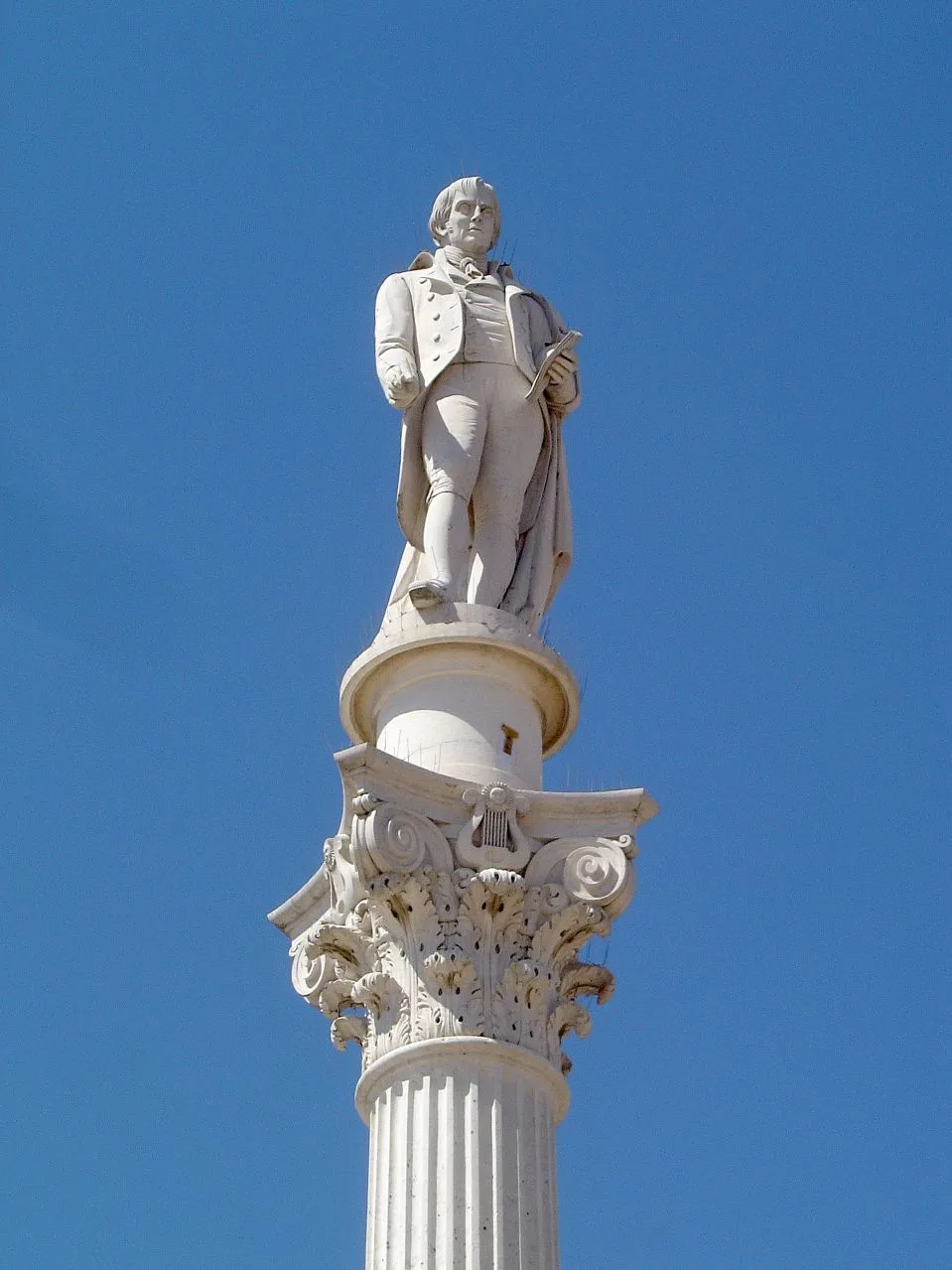
Image sources
See also
All our knowledge is free. Creating it is not.
☕ Support on Ko-fi