Oyster Farms of the Sado
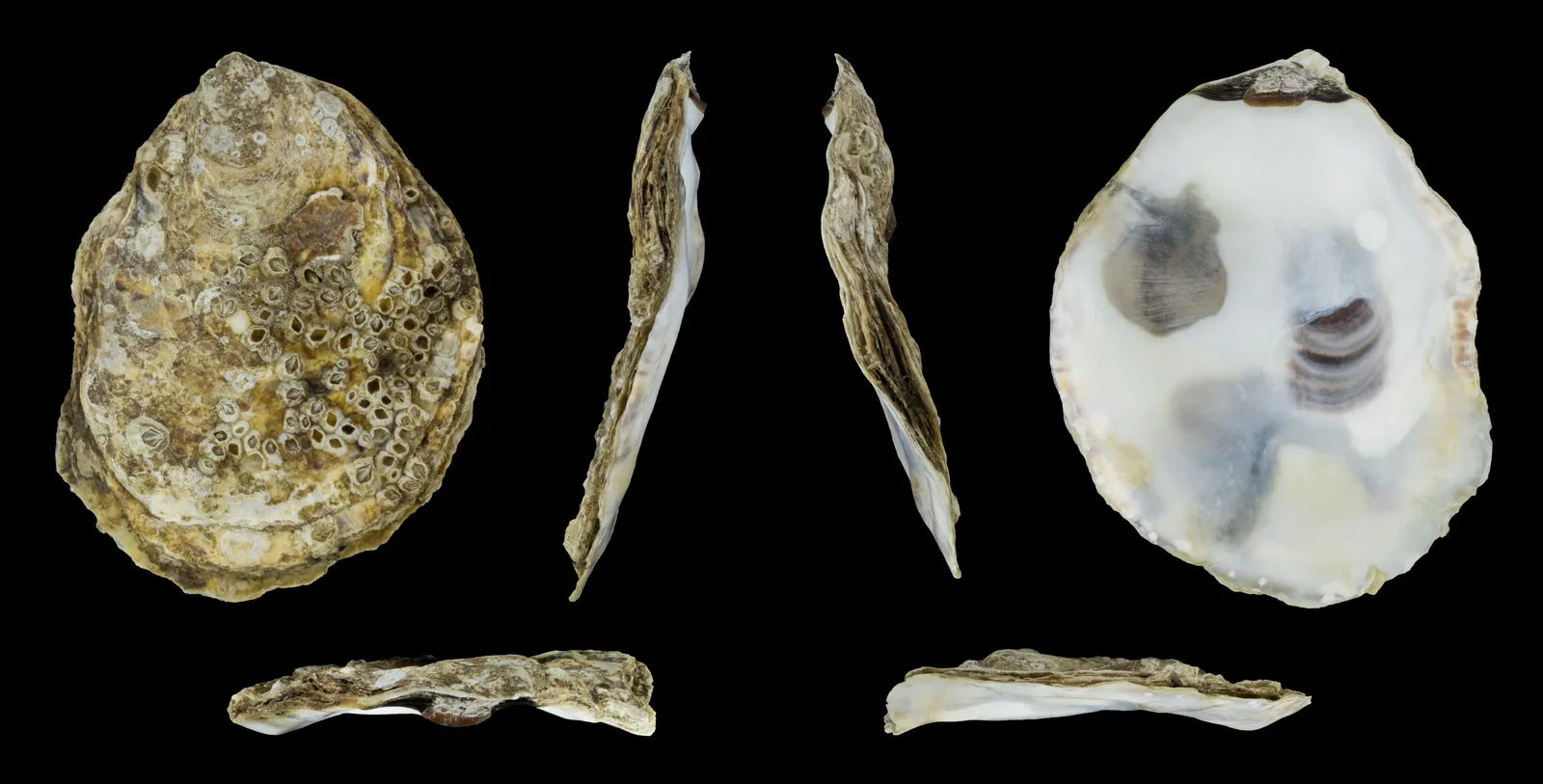
📷 Image credit
Photo: H. Zell / Wikimedia Commons / CC BY-SA 3.0
In the 1950s–60s the Sado oyster industry employed 4,000 people. Epidemics and pollution destroyed it in the 1970s. Today 15 large-scale producers are reviving the sector — Oysterworld has invested EUR 2.1 million, and a single oyster filters 55 litres of water per day. The Spanish magazine Viajar called the Bay of Setúbal “a gastronomic paradise for oysters”.
History
The golden age (1950s–1960s)
Oyster farming in the Sado estuary employed up to 4,000 people, largely for export to France. The Portuguese oyster (Crassostrea angulata), accidentally introduced from Taiwan in the 16th century, was the backbone of the industry.
The 1970s crisis
An iridovirus epidemic in 1969 and industrial pollution of the estuary nearly wiped out the sector. Natural beds that once covered thousands of hectares shrank to tiny populations in the Alcácer channel.
Revival (from the 2010s)
Thanks to stricter environmental laws, the Sado is once again suitable for oyster farming. The region now has 15 large-scale producers.
Species
| Species | Status |
|---|---|
| Crassostrea angulata (Portuguese) | Endemic; reference population in the Sado |
| Crassostrea gigas (Pacific) | Introduced in the 1970s; commercially dominant |
| Ostrea edulis (flat) | Being restored through habitat projects |
Companies
Oysterworld
- Area: 18+ ha in the Sado Estuary Nature Reserve
- Staff: 16 employees (biologists, engineers, pathologists)
- Target output: 360 tonnes/year
- Investment: EUR 2.1 million (MAR2020 grant EUR 1.07 million + Goparity crowdlending)
Neptuno Aquacultura
Produces Neptun Special Oysters — high-quality oysters using sustainable low-density methods. Goal: reintroduction of Crassostrea angulata.
Aquanostra
Founded in 2013 — Portugal’s first bivalve hatchery. Produces spat of three oyster species. Nurseries in the Sado estuary.
Economics
National level (2023):
- Bivalve production: 5,900 tonnes, valued at EUR 115 million
- Aquaculture employment: 2,014 people
- Setúbal oysters are in demand on gourmet markets, especially among French buyers
A regional brand — OSTRA DE SETÚBAL — has been established.
Semana Gastronómica da Ostra
The Oyster Gastronomic Week runs for 10 days in 28–31 restaurants. Part of the Setúbal Terra de Peixe calendar. Show-cooking, tastings, walking routes.
Tourist experiences
- Boat tours of the estuary with oyster tasting and regional wine
- “Oyster farmer for a day” — a masterclass with a major producer
- Ostras Sobre Rodas — a solar-powered food truck (founder: João de Vasconcelos Lopes). 100% self-sustainable, rated 4.6/5 (325 reviews)
Ecology
Positive impact
A single oyster filters on average 55 litres of water per day, improving water quality and reducing the need for extractive fishing.
CRASSOSADO project
Funded by ICNF and Navigator. Goal: sustainable management and restoration of natural Crassostrea angulata populations in the Sado. Phase one (2015) confirmed: populations in good health, range wider than previously thought.
Risks
A 2022 study warns that expanding farms by 100 ha could reduce phytoplankton biomass by 90%. The balance between aquaculture and the ecosystem requires monitoring.
Regulation
The Sado estuary is a Reserva Natural (1980), covering 23,160 ha. Designations: Ramsar Convention, Natura 2000. Coordinator: ICNF — issues permits for the installation and operation of aquaculture enterprises.
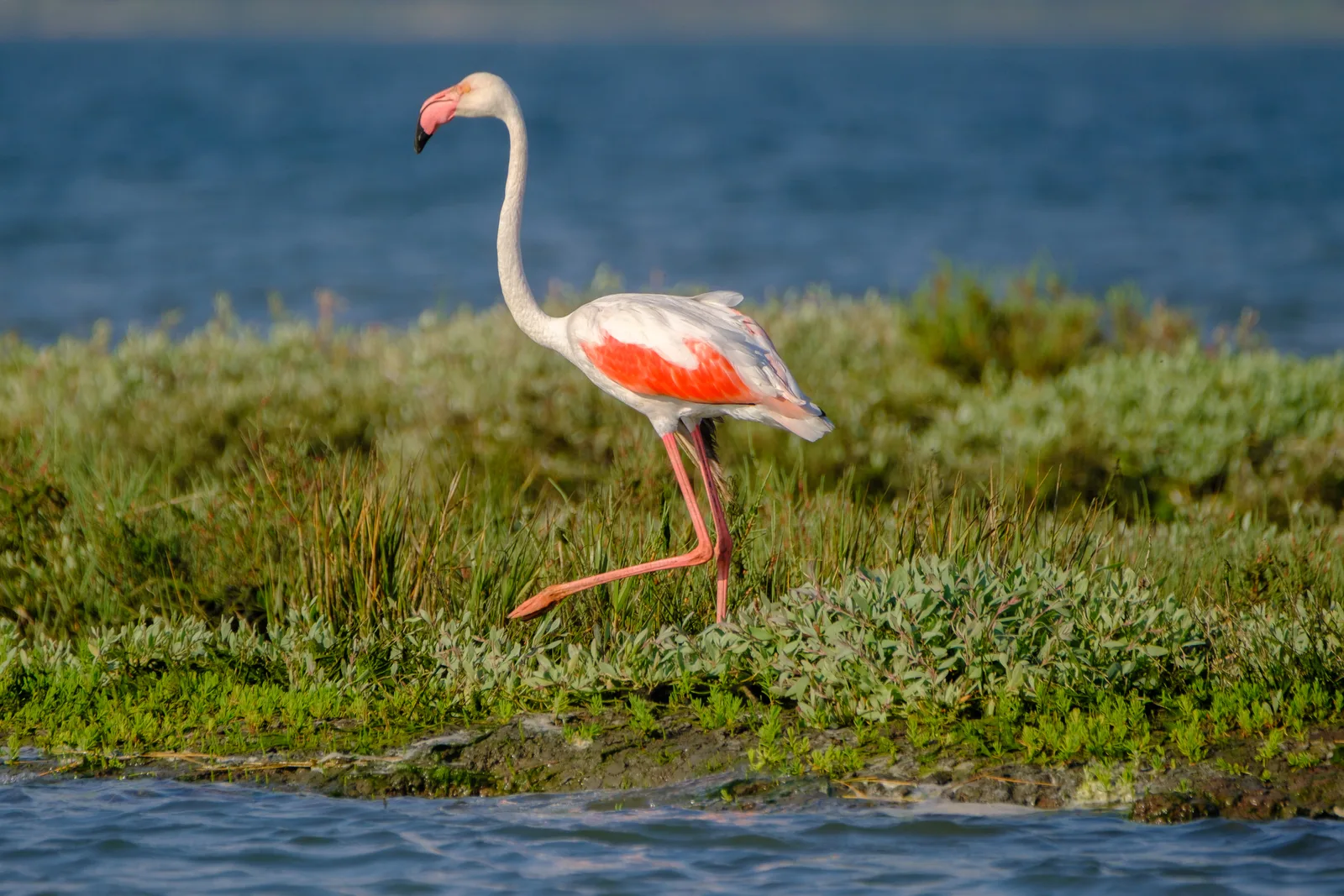
📷 Image credit
Photo: LuisMAfonso / Wikimedia Commons / CC BY-SA 4.0
See also
If this article was useful — help us write the next one.
☕ Support on Ko-fi