Religious Festivals of Setubal
The religious festivals of the Setubal district are a living expression of the Catholic tradition, intimately bound up with the sea, fishing and communal life. From river processions in honour of the Virgin to the veneration of the patron saint of fishermen in Sesimbra, these celebrations unite the sacred and the secular, shaping the rhythm of life in the coastal communities over the course of centuries.
Origins
The Catholic tradition and the sea
The religious life of the Setubal district has historically been shaped by two forces: the Catholic heritage of the Reconquista and the maritime dependence of the local communities. After the recapture of the Setubal Peninsula from the Moors in the 12th century and the establishment of the Order of Santiago, the Christianisation of the territory began in earnest: churches were erected, monasteries founded and parish communities formed.
For the fishing settlements – Setubal, Sesimbra, the villages along the banks of the Sado estuary – religion was not only a matter of faith but a means of seeking protection in the face of an unpredictable sea. Cults of the patron saints of fishermen, blessings of boats, votive offerings and processions to the shore became an integral part of the way of life.
The monastic tradition
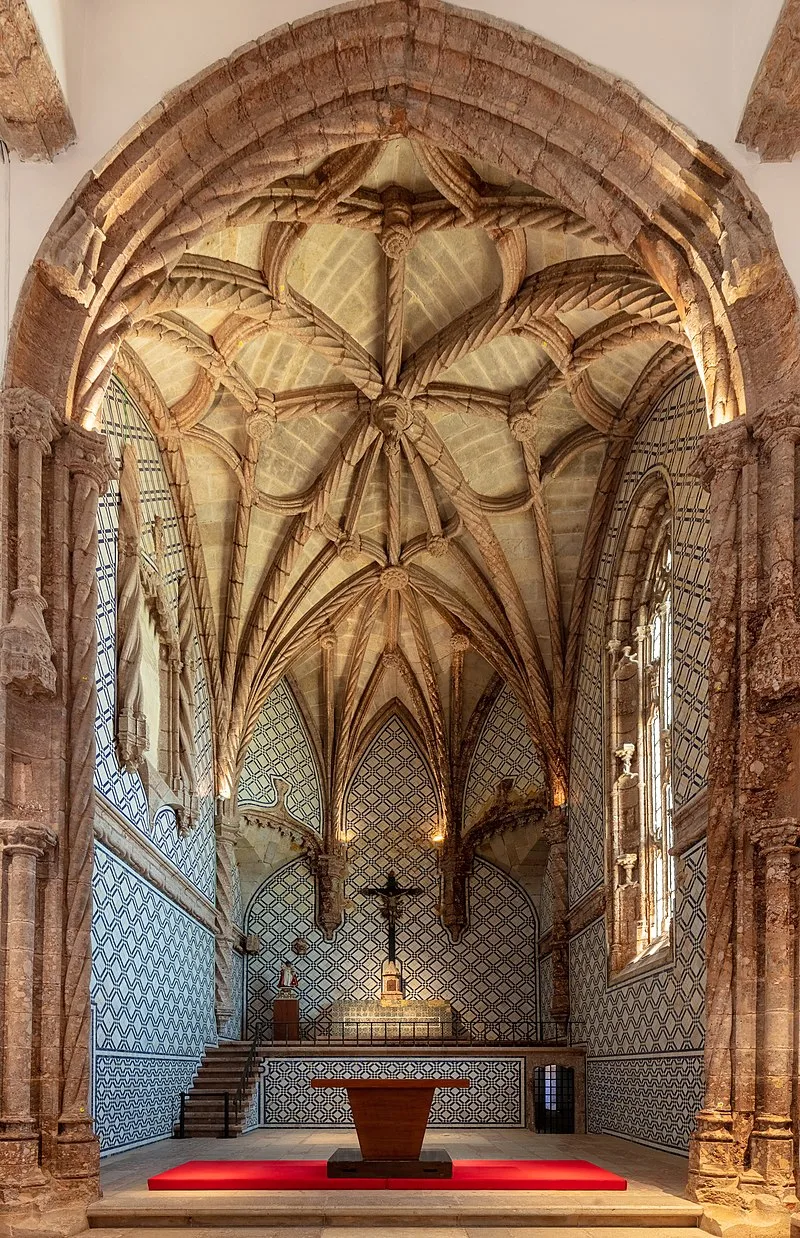
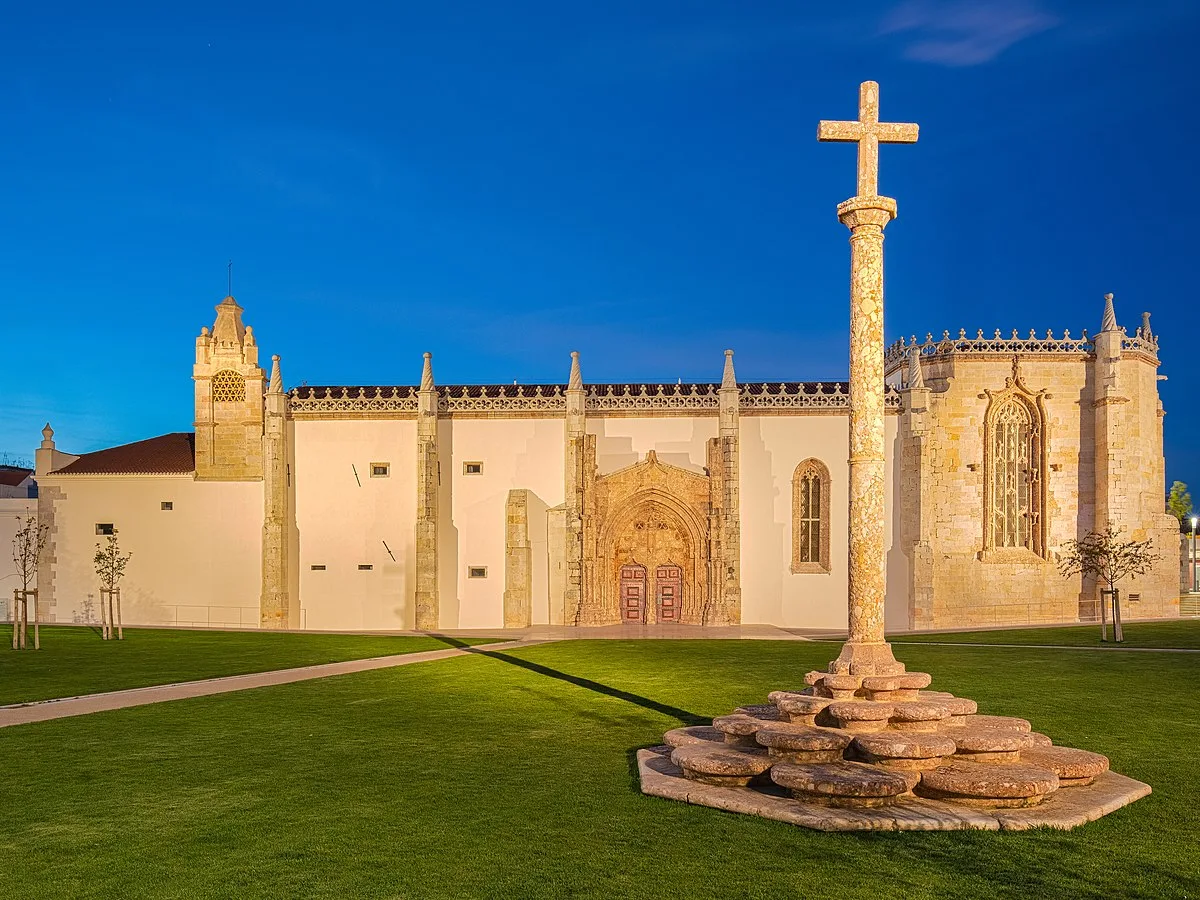
The monasteries played an important part in shaping the religious culture of the region, above all the Monastery of Jesus (Mosteiro de Jesus) in Setubal, founded in 1490, and the Convento da Arrabida in the Serra da Arrabida. The monasteries were centres not only of spiritual but of cultural life, determining the calendar of festivals and the character of religious celebrations.
Description
The Feast of Senhor Jesus das Chagas – Sesimbra
The principal religious festival of the Setubal district and one of the most significant religious processions in Portugal.
History: According to oral tradition, the veneration of Senhor Jesus das Chagas (the Lord Jesus of the Wounds) in Sesimbra dates back to 4 May 1534. The story holds that a wooden image of Christ was cast into the sea in England during the period of the Protestant Reformation, when all Catholic images were being destroyed. The image drifted to the shores of Sesimbra, and an elderly woman presented it to the local priest. Since then, Senhor Jesus das Chagas has been revered as the patron of the fishermen of Sesimbra.
Organisation: Since the early 21st century, the celebrations have been organised by the Irmandade do Senhor Jesus das Chagas (Brotherhood of the Lord Jesus of the Wounds) – a confraternity whose members wear red mantles embroidered with the brotherhood’s symbol.
Programme of celebrations:
- Daily novenas during the week preceding the procession
- Blessing of the sea and the fishing boats
- Solemn procession – 4 May (municipal holiday of Sesimbra): the image of Christ on a processional platform (andor) is carried through streets decked with decorations; residents open their windows and cast flower petals upon the procession
- The procession reaches the Sesimbra Fortress, where dozens of boats gather in the bay to meet the image
- Evening festivities, fairs, musical performances
In 2024 the procession marked the 490th anniversary of the devotion, drawing hundreds of the faithful.
The Feast of Nossa Senhora do Rosario de Troia
A unique religious festival of Setubal, uniting both sides of the Sado estuary – the city and the Troia Peninsula.
Legend: [FOLKLORE] In the 16th century a ship carrying stone ballast, named the “Rosario,” was caught in a violent storm and wrecked off the coast of Troia. All the cargo sank, but a wooden image of the Virgin remained afloat and was retrieved from the water. Ever since, the image has been kept in Setubal and venerated as the patroness of sailors and fishermen.
Format of the festival:
- Held in August; the exact dates depend on the tides – the Caldeira de Troia is accessible to boats only at high water
- Triduum (three days of worship) in honour of the patroness and deceased sailors at the Church of Sao Sebastiao
- Procession through the city with decorated altars, ending at the Cais das Fontainhas
- Cirio Fluvial (River Procession) – the climax of the festival: the image of the Virgin is transported on a decorated boat across the Sado estuary to the Troia Peninsula, escorted by hundreds of vessels
- Decorated boat competition – vessels are adorned with flowers, ribbons and lanterns
- Candlelight procession at night on the beach at Troia
- Evening festivities, dancing, fairs
The Troia festival is one of the rare examples of a maritime procession in Portugal, uniting the sacred with the maritime.
The Feast of Nossa Senhora da Saude
The celebration in honour of Our Lady of Health is one of the oldest religious events in the Setubal district, held since 1723 (more than 300 years). The festival takes place in Vila Fresca de Azeitao.
Character: Originally a purely religious occasion, the feast acquired secular elements from the 19th century onwards. The modern programme includes:
- A solemn Mass and procession
- A fair and popular festivities
- Performances by brass bands (filarmonicas)
- Traditional equestrian parades
The feast is associated with a vow made by the inhabitants of the region during a plague epidemic that struck the territory in the early 18th century.
Other religious celebrations
- Pascoa (Easter): Holy Week processions take place in the historic centre of Setubal and in Palmela, where the medieval castle serves as a dramatic backdrop
- Corpo de Deus (Corpus Christi): a procession through streets carpeted with flowers
- Feast of Santo Antonio (13 June): a popular celebration with grilled sardines, garlands and dancing in the fishing quarters
- Romarias (pilgrimages) to chapels and hermitages in the Serra da Arrabida
Significance for the city
Religion and communal identity
The religious festivals of the Setubal district are not merely expressions of piety but institutions of communal life. For the fishing communities of Sesimbra and Setubal, the processions were moments of collective appeal to higher powers in the face of the perils of the sea. The brotherhoods (irmandades) that organised the celebrations functioned as social institutions of mutual aid.
The Bishop of Setubal has observed that, over the centuries, the religious tradition has contributed to the “formation of the identity” of the coastal communities, serving as a source of strength in the face of life’s trials.
The sacred and the secular
A defining feature of the religious festivals of Setubal is the inseparability of the sacred and the secular. A procession flows seamlessly into a fair, prayer into music and dance, the blessing of boats into a competition to decorate them. This duality reflects the pragmatic character of Portuguese Catholicism: faith here is not abstract but embedded in the daily life of fishermen, winemakers and peasants.
How they take place today
Calendar of principal religious festivals
| Date | Festival | Location |
|---|---|---|
| March–April | Easter processions | Setubal, Palmela |
| 4 May | Senhor Jesus das Chagas | Sesimbra |
| May–June | Corpus Christi | Setubal |
| 13 June | Santo Antonio | Throughout the district |
| August (tide-dependent) | Nossa Senhora do Rosario de Troia | Setubal – Troia |
| Various dates | Nossa Senhora da Saude | Setubal |
Practical information
- Sesimbra procession (4 May) – the largest event; it passes through the streets of the fishing village and ends at the fortress; free entry
- River procession to Troia – tide-dependent; can be watched from the Setubal waterfront or joined by boat
- Feast of Santo Antonio – the evening of 12 June and the day of 13 June; grilled sardines, popular festivities throughout the district
- Most religious processions are accompanied by fairs featuring local gastronomy
Evolution
| Period | Event |
|—|—| | 12th c. | Reconquista and Christianisation of the Setubal Peninsula; establishment of parishes | | 1490 | Founding of the Monastery of Jesus | | 1534 | Beginning of the veneration of Senhor Jesus das Chagas in Sesimbra | | 16th c. | [FOLKLORE] Discovery of the image of Nossa Senhora do Rosario from a shipwreck off Troia | | 1723 | Beginning of the Feast of Nossa Senhora da Saude in Azeitao | | 1755 | The earthquake destroys part of Setubal’s churches; renewal of religious architecture | | 19th c. | Secular elements appear in the religious festivals | | 1974 | The Carnation Revolution: temporary weakening of religious institutions | | 21st c. | Revival of interest in traditional processions; role of the brotherhoods in organisation | | 2024 | 490th anniversary of the Senhor das Chagas procession in Sesimbra |
Image sources
See also
- Fishing Culture of Setubal
- Feira de Santiago
- Bocage Festivals and City Day
- Monastery of Jesus
- Convento da Arrabida
- Troia Peninsula
- Sardines: Cult and Cuisine
All our knowledge is free. Creating it is not.
☕ Support on Ko-fi